
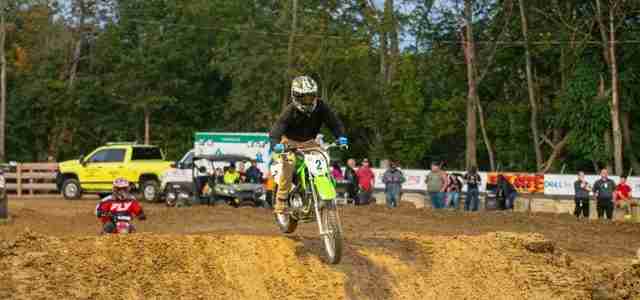
It happens fast. One glimpse of a dirt bike and your kid is completely gone — nothing else registers. So is now actually the right time? Picking a model and driving to a dealership is the easy part. Safety, physical readiness, terrain, budget — none of that is easy. Nail these and you’ve given your child a hobby they’ll carry for life. Miss them and you’ve got a dusty machine taking up garage space.
1. Age and Physical Development
First question: does your child’s body actually match what this sport demands? Strength, coordination, balance — they don’t arrive on any fixed schedule. Every kid develops differently. Manufacturers typically list five to seven years as minimums for the smallest models. Guidelines, sure. But not guarantees. A smaller or less-coordinated child might struggle even on a beginner bike, and frustration sets in quickly when that happens.
Height and weight aren’t minor details, either. Both feet should touch the ground while seated — full stop. Without that, stopping and balancing at low speeds becomes genuinely dangerous. Grip strength, core stability, and the focus to stay sharp through a full session matter just as much. These aren’t abstract worries. They’re what separates a confident young rider from one who tips over twice and never asks about bikes again.
2. Interest Level and Commitment
Fleeting fascination and real passion can look identical from the outside. They’re not. One child watches a friend ride and wants a bike for exactly one month. Another has been bringing it up consistently for over a year. Only one of those kids is genuinely ready. Has this request come up repeatedly, or did it appear out of nowhere last week? Ask your child directly — find out what they actually picture themselves doing with a bike.
Then there’s your family’s capacity. Dirt biking isn’t one purchase and done. Fuel, maintenance, gear, track fees, lessons — it stacks up. Before committing, take your kid to watch riders at a nearby track. Arrange a trial ride if possible. Real exposure either confirms the passion or quietly dissolves it. Both outcomes save you money.
3. Safety Gear and Protective Equipment
Buy the bike without proper gear? You’ve already made the biggest mistake. Your child needs a helmet built for off-road riding specifically — not a street helmet, not a bicycle helmet. Full-face designs protect the jaw and chin too. Expect to spend somewhere between one hundred and three hundred dollars on that alone. That’s not optional. That’s the floor.
Beyond the helmet: goggles, chest protector, gloves, boots, riding pants. Each piece has a specific job. Goggles block debris. Gloves protect hands and sharpen grip. Boots brace ankles and keep feet away from exhaust and moving parts. Budget several hundred dollars for a full setup — then factor in replacements. Kids outgrow gear at an almost annoying pace. Many parents treat annual gear replacement as a fixed line item because, honestly, that’s exactly what it is.
4. Local Riding Opportunities and Terrain
What’s actually available near where you live? That question shapes everything else. Riding on private land looks nothing like hitting public trails or a sanctioned track — the rules, the risks, and the skill demands all shift. Some areas have well-maintained beginner parks with wide-open layouts. Others have almost nothing appropriate for a new rider. Visit a local facility before purchasing anything. See whether the environment matches where your child actually stands skill-wise.
Terrain type carries serious weight here. Flat, smooth beginner trails are one thing; technical hills, jumps, and tight obstacles are another entirely. For older kids or young teens who’ve outgrown starter models, a 125cc dirtbike delivers enough power to handle varied terrain without overwhelming a rider who’s still developing. Also worth checking: local registration rules, permit requirements, spark arrestor mandates. These details vary far more than most people expect.
5. Budget and Hidden Costs
The sticker price? Just the opening act. A solid beginner bike runs roughly one thousand to two thousand five hundred dollars. Then come oil changes, air filter swaps, chain maintenance — recurring costs that show up every season, reliably, without mercy. Most parents underestimate this during initial planning. They feel it later.
The less obvious expenses sneak up too. Organized track facilities typically charge twenty to fifty dollars per day. Professional instruction adds more — but it builds proper technique early, and that matters enormously. Talk to your insurance provider about supplemental medical coverage. Seriously, do it. A bike your budget can’t actually sustain turns a fun hobby into a chronic stressor, and nobody comes out ahead in that scenario.
Conclusion
This isn’t a casual decision. Physical readiness, genuine passion, quality gear, accessible terrain, honest financial planning — all of it needs to align. Parents who work through each of these before buying give their children a real shot at riding safely, staying enthusiastic, and developing skills that outlast any single season. Rush even one piece of it, and the odds shift the wrong direction fast.