
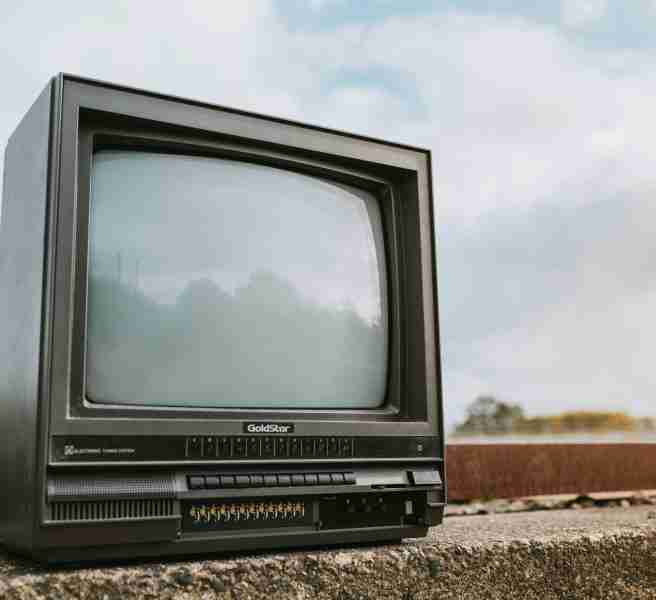
Thinking about moving movie night to the patio? It’s a tempting idea, especially once the weather turns nice and the backyard starts feeling like an extra room. But before you carry the living room TV outside, it’s worth pausing on one question: is that screen actually built to survive out there?
The honest answer is more nuanced than a simple yes or no. Homeowners across all kinds of climates run into this exact question every year, and the results of guessing wrong can be expensive. Here are six clarifications that separate what an indoor TV can handle from what an outdoor setup actually demands, so you can make the call with real information instead of hopeful guessing.
1. Temperature Swings Are More Than Just “Hot Days”
Indoor TVs are engineered to operate within a narrow, stable temperature range, usually somewhere between 50 and 95 degrees Fahrenheit. Outdoor environments swing far outside that window, especially overnight when temperatures drop and internal components contract.
Repeated expansion and contraction stresses the internal circuitry in ways an indoor unit was never designed to tolerate. This shortens its lifespan considerably faster than a single hot afternoon would suggest.
2. Humidity and Moisture Do Silent Damage
Rain is the obvious threat, but humidity causes just as much harm, if not more, since it works slowly and invisibly. Moisture in the air can seep into an indoor TV’s casing and settle on internal circuit boards over time.
That moisture buildup leads to corrosion long before any visible water damage ever appears on the outside. By the time a homeowner notices a problem, the damage has often already been done.
3. Direct Sunlight Affects the Screen and the Housing
Sunlight does two kinds of damage at once. UV rays gradually degrade plastic housing, causing it to become brittle, discolored, or warped over time. The U.S. Department of Energy highlights how heat gain from sunlight and outdoor conditions can influence energy use and equipment performance, which is one reason outdoor installations require careful planning.
Meanwhile, glare and brightness make an indoor-rated screen nearly impossible to see clearly during the day. Standard panels simply aren’t built to compete with direct sunlight the way outdoor-rated displays are.
4. Dust, Pollen, and Debris Get Into Places They Shouldn’t
Indoor TVs are designed with ventilation that assumes a relatively clean environment. Outside, that same ventilation becomes an entry point for dust, pollen, insects, and debris.
Once these particles build up inside the unit, they can interfere with cooling and airflow. In some cases, restricted airflow around sensitive components can even create a fire risk over time.
5. Insects and Pests Are a Bigger Problem Than Expected
It’s not just about dust. Insects are drawn to the warmth generated by electronics, and outdoor speaker or vent openings can become an inviting spot for them to nest.
Once inside the casing, pests can chew through wiring or leave residue that interferes with internal components. This is an issue indoor TVs were never designed to guard against in the first place.
6. Warranty Coverage Usually Won’t Apply
Even if an indoor TV somehow survives outside for a while, most manufacturers explicitly exclude outdoor use from their warranty terms. That means any weather-related damage, from a cracked screen to months of humidity corrosion, typically won’t be covered.
Homeowners are left paying full price for a replacement instead of relying on protection they assumed they had. It’s a costly surprise that’s easy to avoid with the right information upfront.
What Makes an Outdoor TV Different From an Indoor TV?
An outdoor TV is specifically engineered to handle the challenges that come with exterior environments, including temperature fluctuations, moisture exposure, dust, and brighter lighting conditions. Unlike standard indoor models, these displays are built with protective features that help them maintain performance in spaces like patios, decks, pool areas, and outdoor kitchens.
Key differences include:
- Higher Brightness Levels — Outdoor TVs are designed with stronger brightness output to keep images visible in areas affected by sunlight, where standard indoor screens often appear washed out.
- Weather-Resistant Construction — Many outdoor models include sealed components and protective housing designed to reduce the impact of humidity, rain, and dust exposure.
- Improved Temperature Management — Outdoor TVs are built to operate across wider temperature ranges, helping protect internal components during seasonal heat and cold.
- Durable Materials and Components — Exterior-grade materials help outdoor displays withstand conditions that would gradually damage a typical indoor television.
- Designed for Long-Term Outdoor Use — While an indoor TV may work temporarily outside, outdoor TVs are created specifically for consistent performance in exterior spaces over time.
Before setting up an outdoor entertainment area, understanding can a regular TV be used outdoors can help you choose a solution that matches your space and avoids unnecessary equipment damage.
Services like those offered by Home Media Designs can help homeowners create a complete outdoor audio and video setup with considerations such as placement, wiring, and overall space design.
Choosing a Spot That Works With the Screen, Not Against It
Where a TV sits matters just as much as what it’s made of. A fully exposed wall with no overhead protection puts far more strain on a display than a covered patio or a partially shaded corner, regardless of how the unit is rated.
Even a small overhang or pergola can meaningfully reduce direct rain and sun exposure, extending the life of whatever screen ends up outside. Pairing the right location with the right equipment does more for long-term durability than either choice does on its own, and it’s a step that costs little beyond some planning before installation day.
Cable and power routing deserve the same level of care. Running cords through proper outdoor-rated conduit rather than leaving them exposed helps prevent moisture from tracking into connections over time, which is a common source of premature failure that has nothing to do with the screen itself.
Final Thoughts
An indoor TV might survive a few mild afternoons outside, but the risks compound quickly once temperature swings, humidity, sunlight, and pests are all factored in. Knowing these six clarifications ahead of time makes it much easier to plan an outdoor setup that holds up season after season, instead of learning the hard way that a living room television was never built for the backyard.