
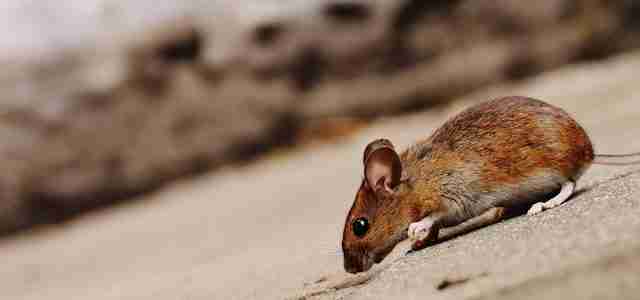
A scratching sound inside the attic usually starts small. Most Florida homeowners ignore it the first night. Then the noise gets louder. Insulation gets torn apart. A foul odor shows up near the vents. By the time someone calls for help, raccoons or rats have often nested inside the property for weeks.
That situation plays out across Florida when wildlife searches for dry shelter.
The bigger problem? Not every removal method solves the issue safely.
Quick Traps Don’t Always Fix the Problem
Some property owners still assume wildlife removal means setting traps, removing the animal, and moving on. Experienced technicians know it rarely works that cleanly.
Professional humane animal removal focuses on solving the infestation. They do it without causing unnecessary harm to the animal or creating risks inside the property.
That distinction matters more in Florida than many people realize.
State wildlife regulations restrict how certain animals can be trapped, relocated, or handled.
A rushed removal job can leave behind:
- trapped offspring
- contaminated insulation
- entry-point damage
- parasites
- recurring infestations
That’s why experienced wildlife companies inspect the entire property before removing anything.
Wildlife Problems Escalate Fast in Florida
Florida’s climate creates ideal conditions for nuisance animals year-round.
Heavy rain pushes wildlife toward attics and crawl spaces. Warmer winters extend breeding seasons. Older homes across Tampa, Orlando, and South Florida often contain small roof gaps that animals exploit easily.
Technicians find:
- raccoons inside attics
- squirrels nesting near wiring
- rats inside ductwork
- bats behind soffits
- snakes near garages and pool equipment
Some infestations become dangerous quickly.
Rats chew electrical wiring. Raccoons damage insulation and leave contaminated waste. Bats can introduce serious health concerns if handled incorrectly.
Shortcuts create bigger repair bills later.
Humane Removal Protects Both Property and Safety
A professional wildlife technician doesn’t just remove the animal. The real work starts afterward.
Once animals enter a structure, they usually leave behind:
- urine contamination
- damaged insulation
- nesting materials
- bacteria exposure
- structural openings
That’s why trained wildlife removal companies approach cleanup carefully instead of treating it like standard pest control.
Proper Exclusion Work Matters
Removal without exclusion almost guarantees repeat problems.
Strong wildlife control companies usually:
- identify every active entry point
- remove nesting animals safely
- sanitize contaminated areas
- repair vulnerable openings
- recommend prevention measures
Some homeowners only address the immediate noise inside the attic. Weeks later, another animal enters through the same gap.
That cycle becomes expensive fast.
Emergency Calls Often Happen at the Worst Time
Wildlife emergencies rarely happen during convenient hours.
Property managers often discover infestations before tenant move-ins. Restaurant owners may hear scratching inside ceilings during business hours. Homeowners usually notice problems late at night. It is usually when attic activity becomes impossible to ignore.
Florida’s hurricane season creates another layer of urgency.
Storm damage frequently opens access points around:
- roof vents
- soffits
- crawl spaces
- chimney gaps
- damaged siding
Wildlife moves quickly once those openings appear.
Not Every Wildlife Company Handles Emergencies Properly
Some companies advertise emergency service but operate with limited staffing after business hours.
That delay matters when:
- raccoons enter living spaces
- bats appear inside bedrooms
- snakes remain inside garages
- rodents damage electrical systems
Experienced wildlife technicians typically ask detailed questions immediately because they need to determine:
- species involved
- access locations
- contamination risks
- structural damage
- urgency level
Fast response matters. Accurate diagnosis matters more.
Humane Removal Also Reduces Long-Term Costs
Cheap wildlife removal usually turns expensive later.
Improper trapping methods can separate mothers from offspring hidden inside walls or attic insulation. Incomplete sealing work allows new animals to enter within weeks. Poor sanitation leaves odors that attract additional wildlife.
Professional removal services often cost more upfront because they include:
- property inspection
- exclusion repairs
- attic cleanup
- contamination treatment
- follow-up prevention
That process protects the structure itself.
Older Florida homes face higher risks. This is because humidity and heat worsen contamination problems quickly. Damaged insulation can trap moisture and create more repair issues if cleanup gets delayed.
Early Action Usually Saves More Than Money
Wildlife problems rarely stay contained for long in Florida properties. Light attic noise turns into damaged insulation, contaminated air, electrical hazards, and expensive structural repairs within weeks. The longer animals remain inside a property, the harder cleanup becomes.
That’s why experienced property owners focus on proper removal the first time. A trained wildlife professional can identify hidden entry points and prevent repeat infestations. They help reduce the health and safety risks that often go unnoticed during early stages.
When strange noises, odors, or signs of animal activity start appearing around a home or commercial building, fast action prevents far bigger problems later.