
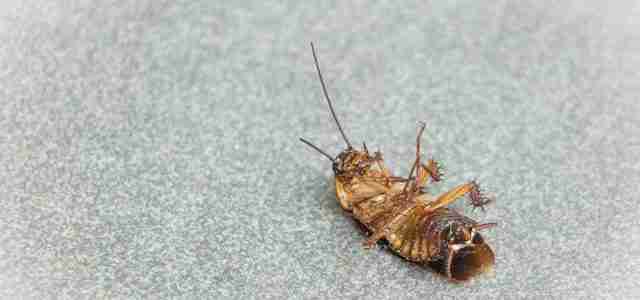
Many homeowners try to deal with pest problems on their own, only to see the same insects or rodents return a few days later. Sprays, traps, and store-bought treatments may reduce visible pests, but they rarely address the root of the infestation. Hidden nests, entry points, and breeding areas often allow pests to continue multiplying behind walls or around the property. Pest activity is also more common than many people realize.
According to the National Pest Management Association, rodents invade about 21 million U.S. homes each winter in search of food, water, and shelter. In places like Durham, seasonal weather changes and growing neighborhoods can make homes especially attractive to pests. When infestations persist or spread, professional pest control services may be needed to identify the source and provide long-term solutions.
Why Does DIY Pest Control Often Fail?
Although DIY pest control may appear convenient, it often produces only temporary results. Several common factors explain why home treatments frequently fail to eliminate infestations completely.
1. Surface-Level Treatment
Many store-bought sprays and traps kill only the pests that are visible. While these products may eliminate adult insects, they often leave eggs, larvae, and entire colonies untouched. For example, eliminating a few ants in the kitchen does not eliminate the colony hidden behind the walls or outside near the foundation. As the remaining pests continue to reproduce, the infestation can quickly return.
When pest activity persists despite repeated treatments, it may be time to consult a professional exterminator in Durham to properly assess the situation and recommend an effective solution. Licensed pest control technicians are trained to identify pest species, locate nesting areas, and determine how pests are entering the home.
Pest management providers such as Quality Affordable Pest Control often emphasize that effective pest control requires more than simply applying pesticides. Comprehensive inspections, targeted treatments, and preventative measures are key parts of long-term pest management.
2. Misidentifying the Pest
Accurate pest identification is crucial for effective treatment. Different pests require different control methods, and using the wrong product can allow the infestation to grow. For instance, termites cannot be eliminated using standard ant sprays because they live within wood structures and require specialized treatment strategies. Similarly, bed bugs hide in tiny crevices and are resistant to many over-the-counter insecticides.
3. Improper Application
Another common issue with DIY pest control is incorrect application. Many products require specific placement, timing, and dosage to be effective.
Common mistakes include:
- Using too little product to eliminate pests
- Applying too much chemical without improving results
- Placing bait stations in areas pests rarely visit
- Treating inconsistently or stopping treatments too soon
These mistakes can significantly reduce the effectiveness of DIY treatments.
4. Lack of Prevention
Successful pest management involves more than eliminating pests already present in the home. Preventing new pests from entering is equally important.
DIY pest control methods rarely address common entry points such as cracks in foundations, gaps around utility lines, damaged siding, or poorly sealed windows and doors. Without addressing these access points, pests can easily return even after treatments.
5. Chemical Resistance
Overusing the same store-bought pesticides can lead to another issue: pest resistance. Some insects and rodents can gradually develop tolerance to certain chemicals, making those treatments less effective over time. When this happens, infestations may become more difficult to control and require more advanced pest management techniques.
6. Safety Risks
Safety is another concern with DIY pest control. Many pesticides contain chemicals that must be handled carefully. Improper use, incorrect storage, or over-application can pose risks to pets, children, and other household members. In some cases, excessive indoor pesticide use may also affect indoor air quality. Licensed pest control professionals are trained to apply treatments safely and according to regulatory guidelines.
When Pest Problems Need Professional Help
When infestations grow larger or begin causing damage, waiting too long to call experts can make the problem harder and more expensive to fix.
Below are common signs that professional help may be necessary.
1. Severe or Rapidly Spreading Infestations
When pests keep returning shortly after treatment or begin spreading throughout the home, it usually indicates that the main source of the infestation has not been eliminated. Professional pest control companies can identify breeding areas, nesting sites, and entry points that homeowners may overlook.
2. Structural Damage
Some pests do more than create a nuisance. They can actually damage parts of the home itself. Warning signs may include mud tubes along foundation walls, wood that sounds hollow when tapped, sagging areas in floors, or small piles of sawdust-like material near wooden structures. These indicators often suggest that pests are already active inside the structure. Professional inspection and treatment are usually required to stop the damage and protect the home.
3. Hidden Nests
Many pests build nests in areas that are difficult to access. Because these locations are not easily visible, homeowners may only see occasional pests without realizing how large the infestation actually is. Pest control professionals use specialized tools, inspection techniques, and experience to locate these hidden nesting areas and treat them effectively.
4. Health and Safety Risks
Certain pests can pose direct health risks to people living in the home. Attempting to remove these pests without proper equipment or protective measures can increase the risk of bites, stings, or exposure to harmful contaminants. Professional pest control services are trained to handle these situations safely while minimizing risks to residents.
5. Repeated Failed Attempts
If pests remain after multiple DIY treatments, it often means the underlying problem has not been fully addressed. Professionals typically use targeted treatments, inspection methods, and long-term prevention strategies that address the source of the infestation rather than just the symptoms.
Recognizing these warning signs early can help homeowners take action before pest problems become more serious. In many cases, professional intervention can stop an infestation more quickly and prevent costly damage to the home.
Final Thoughts
DIY pest control can provide temporary relief for minor pest issues, but it often fails to eliminate the root causes of infestations. Without proper identification, treatment strategies, and prevention methods, pests may continue to return.
Knowing when to move beyond DIY solutions and seek professional help can save homeowners time, money, and frustration. By combining preventative habits with expert guidance when necessary, it is possible to maintain a safer, healthier, and pest-free living environment.