
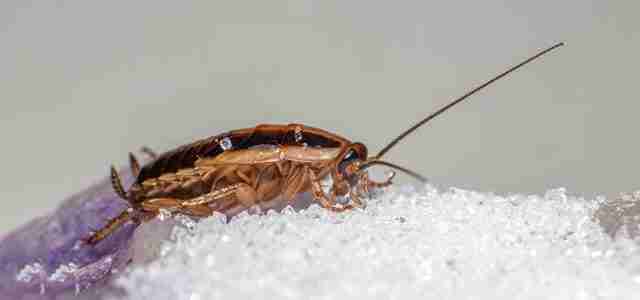
Most homeowners don’t think much about pests until they see something obvious, like a trail of ants or a cockroach in the kitchen. The truth is that problems usually start small and silent. By the time people notice, the damage is already done.
The issue is that many early warning signs are brushed aside. A faint scratching sound at night, a few droppings in the pantry, or a slight musty odor can all seem harmless. Homeowners often assume it’s nothing or think they’ll deal with it later. Unfortunately, ignoring these hints gives pests time to multiply, spread disease, and damage property. This article explores what happens when those first signs go unnoticed and how the costs—financial, health-related, and emotional—can pile up faster than most expect.
Minor Clues That Are Easy to Miss
The first stage of any infestation usually comes with subtle clues. Droppings in corners, faint marks on the wall, shredded paper near storage areas, or even odd smells are early indicators. Rodents may leave grease marks where they squeeze through gaps. Termites often leave behind discarded wings or hollowed-out wood. Cockroaches can leave an oily odor that lingers in small spaces.
These signs often blend into daily life, so many people overlook them. They may sweep up the droppings or air out the room without asking what caused the problem. Because pests are usually most active at night, it’s easy to believe there’s nothing serious happening. Yet those small signs almost always point to a larger hidden issue. That’s why many homeowners eventually rely on experienced companies for pest control solutions to deal with deeper infestations.
Food Contamination and Kitchen Safety Risks
The kitchen is the first place many pests target because it offers food, water, and warmth. Rodents can chew through packaging, leaving droppings and urine on stored goods. Cockroaches spread bacteria as they crawl over counters and dishes. Even a small ant problem can make food unsafe to eat, as ants carry germs from outdoors into pantries.
Contaminated food isn’t just a matter of throwing away groceries. Bacteria like Salmonella and E. coli can cause serious illness if they spread. The costs tied to food poisoning include doctor visits, medication, and lost workdays. When pests invade kitchens, it’s more than an inconvenience—it’s a direct health hazard that carries both medical and financial consequences.
Allergies and Breathing Problems Linked to Pests
Pests don’t just damage homes; they affect health in ways people may not realize. Dust from cockroach droppings, rodent dander, and even dead insect particles can trigger allergies and worsen asthma. Children are especially vulnerable, as their immune systems react strongly to these irritants. Adults with asthma may also find their symptoms harder to control in an infested home.
Ignoring pests means allowing these triggers to build up over time. Breathing contaminated air every day can lead to repeated doctor visits, medication costs, and even hospital stays for severe cases. While most people link allergies to pollen or dust, pest-related allergens are a hidden cause that many overlook until health issues become too frequent to ignore.
Electrical Hazards Created by Rodents
One of the lesser-known dangers of rodents is their habit of chewing wires. Their teeth grow continuously, so they gnaw on anything they find—cables, cords, or wiring inside walls. This behavior strips wires of their protective coating, increasing the risk of electrical shorts. In severe cases, it can spark fires.
Homeowners who ignore early rodent activity may later face costly rewiring jobs or damage to appliances. Fire damage caused by chewed wires is far more expensive, often requiring thousands of dollars in repairs or even full replacements of damaged areas. Beyond financial costs, the safety risk is severe. Families may be exposed to fire hazards without realizing the danger until it’s too late.
The Mental Toll of Living with Pests
The impact of pests is not only physical or financial. There is also a mental burden that builds over time. People who live with infestations often experience stress and poor sleep. Hearing scratching sounds at night or worrying about insects crawling in the dark can leave families feeling uneasy in their own homes.
There is also embarrassment when friends or relatives visit. Many homeowners feel uncomfortable hosting guests if pests are visible or odors linger. This can create social isolation and frustration, especially when people feel they have no control over the problem. Stress from infestations can even affect work performance and family relationships, showing that the cost is more than just money.
Risks to Pets and Children in Infested Homes
Children and pets are more likely to come into direct contact with pests. Young children often play on floors, where droppings and insect parts are more common. They may also put contaminated objects in their mouths, which increases the risk of infection. According to the Centers for Disease Control and Prevention, rodents spread over 35 diseases, many of which can pass to humans through contact with droppings or bites.
Pets face similar risks. Fleas, ticks, and mites carried by rodents or wildlife can quickly infest cats and dogs. These parasites cause discomfort and can transmit illnesses like Lyme disease or tapeworms. Veterinary bills rise when infestations spread, and some illnesses require ongoing treatment. Protecting children and pets means addressing pest issues quickly before exposure becomes routine.
Property Value and Resale Challenges
A pest problem doesn’t just affect current living conditions—it also lowers a home’s market value. Buyers are cautious when they see signs of infestations, and many mortgage companies require pest clearance before approving loans. Even if pests have been treated, damage left behind can still raise questions during inspections.
Termite damage is especially serious. The presence of termites, or even past infestations, can reduce property value by as much as 20 percent. That reduction can mean losing thousands of dollars during a sale. Sellers often have to pay for inspections, treatments, and repairs before listing a property. Ignoring early signs almost always makes the selling process harder, longer, and more expensive.
Ignoring the first signs of pests may seem harmless, but the risks grow quickly. Small droppings, strange odors, or faint scratching noises are often the start of much larger problems. Left untreated, pests damage homes, spread illness, and create stress that affects daily life. Families may end up paying for doctor visits, structural repairs, wasted food, and lost property value—all of which cost far more than prevention.
The good news is that infestations don’t have to reach that point. Acting early saves money, protects health, and keeps homes safe. Every homeowner benefits from staying alert to the early signs and taking action before pests take control.