
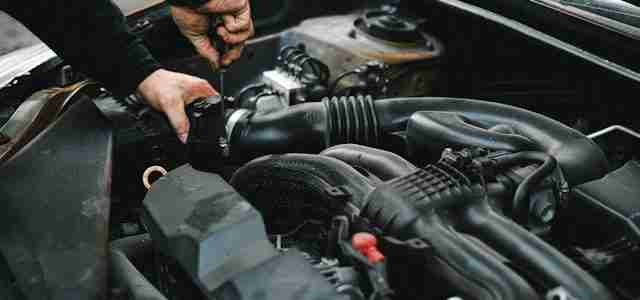
Cars talk before they fail. Not with words, but with small hints—hot smells, tiny drips on the driveway, a light on the dash that blinks once and then goes quiet. Catch those hints early and most problems stay small. Miss them a few times and repairs can get big, fast. This guide keeps the language simple and the steps clear so anyone can spot trouble and act with confidence.
Why engines overheat
Engines make heat every second they run. A cooling system moves that heat away so parts stay safe. Coolant flows through the engine, picks up heat, and carries it to the radiator. Air rushes past the radiator and cools the liquid, then the cycle repeats. A thermostat opens and closes to keep the temperature steady. Fans jump in when the car stops or moves slowly.
Overheating happens when that system cannot move heat out fast enough. Common causes include low coolant, a stuck thermostat, a weak water pump, a blocked radiator, or a broken fan. Even a loose cap can let pressure drop, and without pressure, coolant can boil sooner. Boiling coolant does not flow well, and the problem gets worse in minutes.
Early signs the engine is running too hot
A rising temp gauge is the clearest clue. Some cars use a needle; others use bars or a light. If the needle climbs higher than normal, the bars stack up, or a red light comes on, heat is building. A sweet smell can point to coolant leaks. Steam from the bonnet means the situation is urgent. Inside the cabin, weak heat from the vents in cold weather can also be a hint—no heat often means low coolant.
Listen to the fans. After a short drive, the fans should spin down smooth. If they run loud all the time, a sensor may be off. If they never run, a fuse, relay, or the fan itself may be the issue.
Quick steps when temperature climbs
Stay calm. Turn off the air con. Turn the heater to full hot and set the fan high; this pulls heat out of the engine. Find a safe spot and stop. Do not open the radiator cap while the engine is hot. Coolant under pressure can spray and burn skin. Wait until the gauge drops to normal. Only then check levels. If the coolant tank is low, add the correct coolant mix or clean water in a pinch, then have the system checked soon.
Oil leaks: small drips, big trouble
Oil is the thin layer that lets metal parts slide without grinding. When oil leaks, there is less of that layer, and heat and wear go up. Small leaks start as faint wet spots around gaskets or seals. Over time, those spots turn into drips. A burning oil smell after a drive can mean oil is landing on hot parts. A blue or grey puff from the exhaust can also be a clue.
Running low on oil can damage bearings and cam parts fast. It can also raise engine temps, since oil helps with cooling too. A slow leak might take weeks to show on the dipstick, which is why a two-minute level check every few weeks saves money.
Where leaks often begin
Many leaks start at the valve cover gasket near the top of the engine. Others begin at the oil pan gasket, oil filter housing, or the seal around the crankshaft. Oil pressure sensors and the cap or dipstick tube can also seep. Rubber hardens with age and heat. Road dust sticks to oily spots, making a dark paste that is easy to see with a torch. Clean the area, drive a short distance, and look again to trace the source.
When expert help makes sense
DIY checks are great, but some issues should be handled by trained hands. If the car continues to run hot, if there is a steady oil drip, or if warning lights appear, book a visit with trusted pros. For anyone needing practical support, browsing reputable providers of car repairs can help solve problems before they snowball. A quick inspection now often costs less than a full fix later.
Other small problems that snowball
Coolant hoses and belts
Hoses carry coolant; belts drive the water pump and alternator. Small cracks at the ends of a hose can open wide under pressure. A belt with tiny splits can lose chunks and slip. Slipping means less flow and less charge to the battery. A bright belt squeal after start-up means tension is off or the belt is worn. Replace worn parts early and avoid a tow.
Battery and alternator
A slow crank in the morning points to a weak battery. Dim lights at idle can point to a weak alternator. Sometimes a drive with many short trips never gives the battery time to recover. A quick voltage test can catch this. Corrosion on the terminals, seen as white or green powder, blocks current. Clean it and the system often springs back.
Tyre pressure and uneven wear
Low pressure makes tyres run hot and wear the edges. High pressure wears the middle. Worn tyres lose grip, and stopping distance grows. Uneven wear can also hint at alignment issues or shocks that are tired. A simple gauge in the glove box and a monthly check keep tyres happy and fuel use down.
Brake noise
A high chirp when braking can mean the pad wear marker is touching the disc. That sound is a built-in warning. If ignored, metal can hit metal, and the repair grows from pads to discs and maybe calipers. Light brake pulsing at higher speeds can hint at disc hot spots or warping. Catching these early saves both money and safety.
Small fluid leaks
Bright green, pink, or orange under the car often means coolant. Clear or slightly yellow might be water from the air con—this is normal. Brown or black can be engine oil. Reddish fluid often points to power steering or transmission. Place a clean sheet under the car overnight to spot and compare. A quick look can tell if action is needed.
A simple check routine that works
Keeping a car healthy does not need special tools. A steady routine wins.
Weekly (or every two weeks):
Pop the bonnet when the engine is cool. Check the coolant tank mark. Check the oil with the dipstick—wipe, dip, and read. Look at the brake fluid level through the clear tank. Scan for wet spots around hoses and the engine base. Test the lights and the horn. Walk around the car and check tyre tread and pressure.
Monthly:
Listen for belt noise on start-up. Watch the temp gauge during a normal trip. Note any new smells after parking. If anything changes—gauge higher than normal, new spots on the ground, or new sounds—write it down and plan a check.
Driving habits that keep parts happy
Gentle warm-ups help. Engines work best when the oil has spread through all parts. Give the car a minute of easy driving before pushing hard. Avoid long idling on hot days; heat builds while air flow is low. Use hills and engine braking to take load off the brakes when safe. Shift to neutral at long stops in manual cars and hold the brake lightly in automatics to reduce heat in the transmission and pads.
Parking helps too. Shade keeps heat down, which protects hoses and the battery. Clean air paths matter. Leaves and plastic bags that block the grille cut air flow to the radiator. A quick clear-out before a drive helps cooling right away.
What to do after a scare
If the car overheated once, treat it as a warning. Replace old coolant with the right type and bleed air from the system. Check the radiator cap seal and the thermostat. If leaks were found, clean the engine and recheck after a short drive to be sure the fix holds. For oil leaks, change the oil and filter after the repair, since dirt may have entered during the work. Keep an eye on levels for the next two weeks.
If a belt snapped, inspect the pulleys it runs on. A rough pulley can shred a new belt. If brakes overheated on a long downhill, let them cool and then get the fluid tested; old fluid can hold water, which lowers its boiling point.
Quick myths to ignore
“Hot engines will cool if the heater is off.”
False. Turning the heater on helps pull heat away from the engine in an emergency.
“A tiny oil drip is nothing.”
False. Tiny drips grow, and even small losses add up over time.
“Coolant and water are the same.”
False. Coolant raises the boiling point, lowers the freeze point, and fights rust. Water alone is only a short-term backup.
Key takeaways and next steps
Small signs matter. A rising temp gauge, a sweet smell, a dark spot on the driveway, a chirp when braking—each one is a friendly nudge to take action. Simple checks catch problems early: watch the gauge, read the dipstick, keep tyres at the right pressure, and listen for new sounds. Build a short routine and stick to it. When something feels off, deal with it soon rather than waiting. That choice keeps the car safe, cuts costs, and turns big headaches into small, simple fixes.
Questions or a problem that keeps coming back? Share the symptoms, the dashboard lights seen, and what happened right before the issue started. Clear details make quick answers easier, and the next drive will feel calmer and safer.