
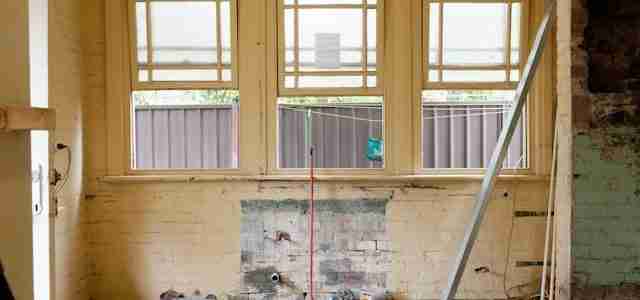
Have you ever noticed how in Iowa, conversations about weather can shift just as quickly into conversations about houses? Harsh winters, humid summers, and changing lifestyles push homeowners to think carefully about their living spaces. Renovations aren’t just about style—they’re often about making a home more practical, more efficient, and more comfortable for the long haul. In this blog, we will share steps to take before starting any home renovation project so the process feels less daunting.
Define the Purpose Before the Dust
The best place to start isn’t with paint swatches or countertop samples—it’s with clarity. Ask yourself what you need from the renovation. Are you creating space for a growing family? Preparing to sell in a few years? Or simply trying to make everyday life flow more smoothly? Defining purpose determines the scope, timeline, and budget of the project.
Without clear goals, it’s easy to be swayed by trends or pressured into upgrades that look appealing but don’t fit your actual needs. A sleek open-concept living room might impress, but if you prefer quiet corners, it won’t serve your lifestyle. Purpose brings focus and keeps you from wasting money on features that won’t matter in the long run.
This is also where it helps to consider the balance between aesthetics and functionality. A new kitchen island may add storage and look beautiful, but if it blocks natural walking space, it will cause more frustration than convenience. The purpose-driven approach allows you to align design choices with daily routines, which is the heart of good renovation planning.
Consult Local Experts Early
Clarity about purpose leads directly into the need for professional insight. While DIY projects have gained popularity, not every renovation is suitable for trial and error. Getting advice early helps prevent mistakes that cost far more to fix later. For residents of Urbandale bathroom remodeling is a convenient option because of local experts who understand both structural requirements and design trends specific to the region. Having access to professionals who know local building codes, weather-related concerns, and community standards takes the guesswork out of planning.
Bathroom renovations, in particular, highlight why expert guidance matters. Plumbing adjustments, waterproofing, and ventilation all require technical skill. When these details are overlooked, small mistakes can turn into expensive damage within months. Local specialists not only streamline the process but also help you make decisions that improve both comfort and resale value. Starting with expert input reduces uncertainty and helps you move into renovation with a realistic plan instead of blind optimism.
Budget With Cushion
A realistic budget is more than a list of material costs. It includes labor, permits, and an allowance for surprises. Renovations almost always uncover hidden issues—outdated wiring, leaky pipes, or weak flooring. Building in a cushion of at least 15 to 20 percent protects you from financial shock and allows the project to move forward without stalling.
Tracking expenses as the project unfolds is just as important as setting the budget in the first place. Small oversights add up, especially when projects run longer than expected. Establishing a system—whether it’s a shared spreadsheet or an app—keeps you aware of where the money is going and helps you make smart adjustments when necessary.
Budgeting isn’t just about limiting spending; it’s about ensuring that money is allocated where it has the most impact. Prioritizing structural improvements over cosmetic upgrades ensures lasting value. Paint and décor can be refreshed later. Foundations, roofs, and plumbing should always come first.
Understand the Timeline
A renovation schedule may look straightforward on paper, but reality has a way of reshaping it. Supply chain delays, labor shortages, and weather disruptions have become increasingly common. Planning a realistic timeline means building in flexibility for unexpected interruptions.
It’s also important to think about how the renovation will affect your daily life. If your kitchen is under construction, what’s your plan for meals? If your bathroom is being remodeled, how will you adjust your routine? Temporary setups reduce stress and help you stay functional while the work is in progress.
Communicate clearly with contractors about milestones and expected completion dates. Weekly check-ins prevent surprises and allow you to address small issues before they become major setbacks. A project that runs smoothly is less about sticking to an exact deadline and more about adapting with minimal disruption.
Secure Permits and Permissions
Skipping permits may save time at the start, but it creates major problems down the road. Unpermitted work can affect resale value, cause insurance issues, and even result in fines. Before starting demolition, confirm what approvals are needed for electrical, plumbing, or structural changes.
For those living in planned communities or neighborhoods with associations, permissions may also be required for exterior changes. This step may feel tedious, but it protects your investment and ensures that your renovation stands the test of both time and regulation.
Prepare for the Emotional Side
Renovations aren’t only about money and logistics. They’re about patience. Living in a half-finished space takes a toll, and unexpected hiccups can be frustrating. Preparing mentally helps you weather the process without losing perspective.
Set realistic expectations. Your home won’t look perfect during the project, and that’s okay. Progress often looks messy before it looks good. Celebrate milestones as they come—completing plumbing, installing cabinets, or seeing fresh paint on the walls. These moments remind you that progress is happening even if the project feels slow.
It also helps to establish boundaries within your home. If one area is under construction, keep another as a clean, peaceful space where you can escape the chaos. This balance allows you to live through the process without feeling like every corner of your home is in flux.
Focus on Long-Term Value
The most successful renovations are those that balance immediate satisfaction with lasting impact. A trendy finish might feel exciting today, but will it still fit in five years? Choosing durable materials, timeless designs, and practical layouts creates value that endures.
Think of renovations as investments. The most successful projects enhance quality of life today while strengthening resale potential in the future. Kitchens and bathrooms often deliver the highest returns, but lifestyle-focused upgrades-such as dedicated media spaces or Luxury Audio-Video Installations for Philadelphia Homes and similar solutions elsewhere-can also significantly elevate a property’s appeal. Even less glamorous improvements, like energy-efficient windows or updated electrical systems, add steady long-term value by improving comfort, functionality, and buyer confidence.
Renovation decisions also reflect broader societal shifts. As energy costs rise and sustainability becomes a priority, features like better insulation, efficient appliances, and eco-friendly materials are increasingly sought after. These updates appeal to both current comfort and future buyers, aligning personal benefit with broader trends.
Taking the right steps before starting a renovation sets the tone for everything that follows. Purpose, expert guidance, budgeting, realistic timelines, permits, emotional preparation, and long-term planning work together to create a foundation for success. A project launched with clear vision and careful preparation doesn’t just improve a home—it transforms the experience of living in it. When dust settles and tools are packed away, the value of thoughtful planning is what lingers longest.