
More and more people are looking for ways to make their homes more self-sufficient. Whether it’s to save money, prepare for emergencies, or just be more eco-friendly, small upgrades can make a big difference. A self-sufficient home can generate its own energy, collect its own water, and even grow its own food.
Rainwater Collection for Everyday Use
Water is something most of us don’t think about until there’s a shortage. But collecting and using rainwater is one of the easiest ways to make your home more self-sufficient.
A rainwater tank can store water for things like watering the garden, flushing toilets, washing clothes, and even drinking if properly filtered. This can cut down your water bill and keep you from relying entirely on city water. In areas with water restrictions or droughts, having stored rainwater can be a huge help.
If you’re thinking about setting up a system, rainwater tank installations are a great way to start. With the right setup, you can collect thousands of liters of water per year for free.
Solar Panels for Free Energy
Electricity bills seem to get higher every year, and power outages can be frustrating. Installing solar panels gives you an alternative source of energy.
The benefits of solar power include:
- Lower electricity costs
- Protection against rising energy prices
- A backup power source during outages
If you add a battery storage system, you can save extra energy for nighttime use or when the weather isn’t sunny. This means you’re not just using solar power during the day—you’re making your home even more independent.
Growing Your Own Food
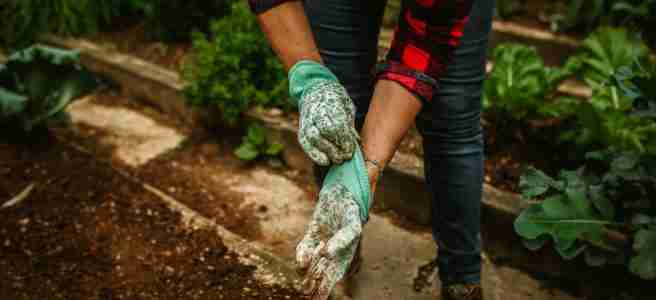
Grocery prices are always going up, and supply chain issues can make some foods hard to find. If you have space in your yard, growing your own food is a great way to become more self-sufficient.
Even if you don’t have a big garden, you can start small by planting:
- Vegetables like tomatoes, lettuce, and carrots
- Herbs like basil, rosemary, and mint
- Fruit trees if you have the space
For those without a yard, vertical gardens and indoor hydroponic systems can help you grow food in small spaces. Having fresh produce at home means fewer trips to the store and more control over what you eat.
Backup Power with Generators or Battery Storage
Even if you have solar panels, having a backup power system can keep your home running when the grid goes down. A generator is a quick solution for keeping the lights on, while a solar battery system stores extra energy for emergencies.
This is especially helpful if you live in an area prone to storms, blackouts, or extreme weather. With a backup power system, you won’t have to worry about losing refrigeration, heating, or important electronics.
Insulation and Passive Heating/Cooling
A self-sufficient home isn’t just about generating power—it’s also about using less of it. Improving your home’s insulation helps keep heat in during winter and out during summer, reducing the need for heating and cooling:
- Adding roof and wall insulation
- Sealing gaps around windows and doors
- Using thermal curtains to keep heat in or out
You can also take advantage of passive heating and cooling by using smart design features. For example, planting trees for shade or using light-colored roofing materials can naturally cool your home without needing air conditioning.
Composting for Less Waste and Free Fertilizer
If you’re growing food at home, composting is a great way to recycle kitchen scraps and garden waste. Instead of throwing food scraps in the trash, you can turn them into nutrient-rich soil for your plants.
Composting helps:
- Reduce waste going to landfills
- Improve soil quality for gardening
- Lower the need for chemical fertilizers
Setting up a compost bin is easy and requires very little effort. You’ll be surprised how much waste you can keep out of the trash while creating free fertilizer for your plants.
Rainwater Irrigation for Gardens
If you’re collecting rainwater, using it for garden irrigation is an easy next step. Instead of watering your plants with tap water, a drip irrigation system can deliver stored rainwater directly to your garden beds.
Drip irrigation systems use less water than traditional sprinklers and help plants absorb moisture more efficiently. This means healthier plants and lower water bills.
For those in dry climates, this upgrade can be a game changer for keeping gardens alive without wasting valuable drinking water.
Water-Efficient Fixtures and Appliances
Even if you don’t have a rainwater system, upgrading to water-efficient fixtures can reduce your reliance on public water supplies.
Some of the best upgrades include:
- Low-flow showerheads – Use less water without losing pressure.
- Dual-flush toilets – Reduce water use per flush.
- Water-efficient washing machines – Save liters of water with each load.
Self-Sufficiency Starts with Small Changes
Becoming more self-sufficient doesn’t mean going off-grid completely. Small upgrades, like collecting rainwater, using solar power, or growing your own food, can help you save money, reduce waste, and gain more control over your home’s resources.
By making smart choices now, you’ll be less dependent on outside utilities and more prepared for whatever the future brings. Whether you start with a rainwater tank, a small garden, or better insulation, every step you take moves you closer to a more self-sufficient home.