
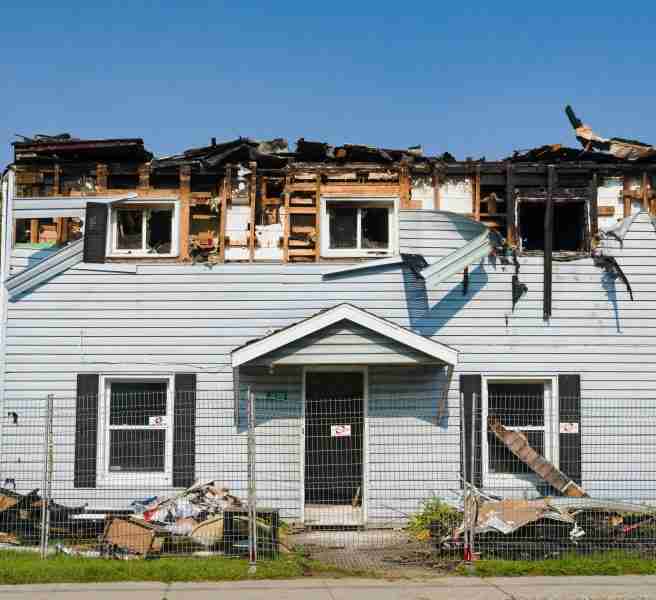
Have you ever wondered how long your home will stand strong against the elements? Whether you live in a place with extreme weather or just want to extend the life of your home, durability is key. A well-built home lasts longer, requires fewer repairs, and retains its value over time. From the roof to the foundation, each part of a home needs attention to prevent damage and costly issues. Making smart upgrades now can save you from expensive repairs later.
In this blog, we will share essential features that can improve your home’s durability, keeping it strong and secure for years to come.
High-Quality Roofing Materials
Your roof is one of the most important parts of your home. It protects everything inside from harsh weather conditions like rain, wind, and sun exposure. A strong roof prevents leaks, mold, and structural damage. Investing in durable roofing materials, such as metal, clay tiles, or high-quality asphalt shingles, can add years to your home’s life. These materials withstand extreme weather conditions and require fewer repairs. Regular maintenance, like cleaning gutters and inspecting for missing shingles, also keeps your roof in good condition.
In places like Orlando, where heavy rains and storms are common, choosing reliable roofing professionals is essential. Working with an Orlando roofing company ensures you get quality installation and materials suited for the climate. A poorly installed roof can lead to leaks and insulation problems. Adding a protective roof coating or impact-resistant shingles can further extend the lifespan of your roof. Proper ventilation and insulation also help in keeping your roof healthy, preventing moisture buildup that leads to damage over time.
Impact-Resistant Windows and Doors
Windows and doors are not just entry points; they also protect your home from storms, debris, and extreme temperatures. Choosing impact-resistant windows and impact front doors can significantly improve your home’s durability. These materials are designed to withstand strong winds and flying debris during storms. They also help in reducing noise pollution and improving energy efficiency.
In areas prone to hurricanes or heavy storms, like Florida, impact-resistant windows are a smart investment. Exploring the benefits of hurricane-impact windows can help homeowners make informed decisions about storm protection. They prevent shattering, reducing the risk of injury and interior damage. Additionally, reinforced doors with strong frames and high-quality locks provide extra security. Regularly checking for cracks, gaps, and worn-out seals can help in maintaining their strength over time. Sealing these openings properly also prevents water damage and keeps your home well-insulated.
Durable Siding and Exterior Walls
The siding and exterior walls of your home play a big role in its durability. These surfaces protect your home from moisture, wind, and sun damage. Choosing the right materials, such as fiber cement, brick, or vinyl siding, can help your home last longer. These materials resist warping, cracking, and fading better than traditional wood siding. They also require less maintenance and withstand extreme weather conditions.
Fiber cement siding, for example, is resistant to fire, rot, and insects. It can mimic the look of wood while being much more durable. Brick is another great option because it does not rot or decay over time. If you already have siding, keeping it clean and repainting it when necessary can extend its lifespan. Regularly inspecting exterior walls for cracks or gaps also helps prevent water from seeping in and causing mold or structural damage.
Moisture Control and Proper Drainage
Water damage is one of the biggest threats to a home’s durability. Excess moisture can lead to mold growth, wood rot, and foundation issues. One of the best ways to prevent this is by installing a proper drainage system. Gutters and downspouts help direct rainwater away from your home, reducing the risk of foundation damage. Keeping them clean and free of debris is essential for proper function.
Additionally, using moisture-resistant materials inside the home, such as waterproof drywall and mold-resistant insulation, can help in areas prone to dampness. Ventilation is also key in preventing moisture buildup. Bathrooms, basements, and kitchens should have proper airflow to avoid condensation and mold growth. A well-ventilated home stays dry and healthy, reducing long-term maintenance costs.
Energy-Efficient and Durable Insulation
Good insulation does more than just keep your home warm in the winter and cool in the summer. It also plays a big role in your home’s durability. High-quality insulation reduces moisture buildup, prevents mold growth, and helps regulate indoor temperature. This means your heating and cooling systems do not have to work as hard, reducing wear and tear on your HVAC system.
Spray foam insulation is a great option because it expands to fill gaps, providing a strong barrier against air leaks. Fiberglass and cellulose insulation are also effective and long-lasting. Sealing gaps around windows, doors, and vents further improves insulation efficiency. Over time, properly installed insulation can prevent damage caused by temperature fluctuations and moisture exposure, keeping your home in great condition.
Pest-Resistant Building Materials
Pests can cause serious damage to a home if not controlled. Termites, rodents, and other insects can weaken the structure by chewing through wood, insulation, and wiring. Choosing pest-resistant materials, such as treated wood and concrete, helps keep these unwanted guests away. Brick and metal siding are also less likely to attract termites and rodents.
Sealing cracks and openings around doors, windows, and the foundation can prevent pests from getting inside. Regular pest inspections help identify potential issues before they become major problems. Using screens on windows and vents also keeps bugs from entering the home. Taking these steps protects your home from structural damage and expensive repairs caused by infestations.
In conclusion, improving your home’s durability requires a combination of smart material choices, regular maintenance, and preventive measures. From a strong roof and impact-resistant windows to a stable foundation and proper insulation, each upgrade adds years to your home’s lifespan. Moisture control, fire safety, and pest prevention also play a big role in keeping your home secure. Investing in these key features now can save you money in the long run by preventing costly repairs. A durable home is not just about strength; it is also about creating a safe, comfortable space that stands the test of time. By taking action today, you can enjoy a home that remains sturdy and reliable for years to come.