
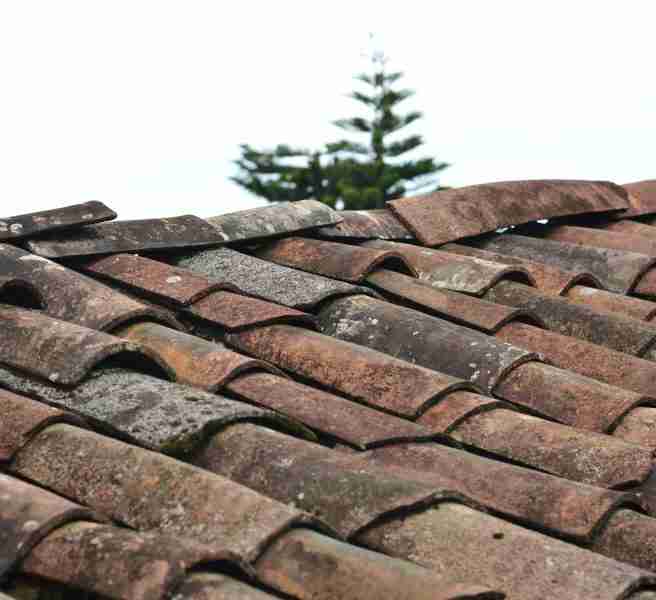
Weather conditions significantly affect your roof’s durability. From intense sunlight to heavy rainstorms, each element presents risks to its durability. Addressing minor issues early can prevent costly repairs or replacements.
Regular maintenance ensures your structure remains strong and keeps your family safe. This article explores how various conditions impact the roof and offers practical tips for upkeep. By recognizing potential threats, you can take steps to enhance its longevity.
Seasonal preparation, regular inspections, and expert assistance are essential for ensuring its resilience. Consistent care keeps your investment secure, ensuring safety and durability for years. Let’s dive in to learn more!
How Weather Conditions Affect Your Roof
Your roof is constantly exposed to weather, making it vulnerable to various types of damage. The sun’s UV rays weaken materials over time, causing cracks and discoloration. Heavy rain can lead to leaks, mold, and structural issues if drainage is inadequate. Strong winds may lift shingles or create gaps that expose underlying layers.
Snow and ice add weight, and ice dams can cause water to seep into your home. Hailstorms leave dents or cracks, especially on weaker roofing materials. Understanding these threats is crucial to prevent long-term damage. Each season presents unique challenges, and recognizing these risks helps you take targeted actions to protect your roof and maintain its performance throughout the year.
The Role of Professional Roof Inspections
Professional inspections are critical for effective roof maintenance. A roofing contractor can identify hidden damage that isn’t visible to the untrained eye. They assess issues such as weakened materials, leaks, or improper installations. Regular inspections help prevent small problems from becoming larger, more expensive ones.
Experts can also recommend repairs or upgrades to improve durability. Their expertise ensures thorough evaluations, saving you time and stress. Scheduling inspections annually or after severe weather events is a smart move. By hiring professionals, you ensure your roof remains in top condition, safeguarding your property from further damage and avoiding unnecessary expenses in the long run.
Signs of Damage to Look For
Detecting roof damage early helps you avoid costly repairs. Pay attention to these common signs:
- Missing, curled, or cracked shingles: These are often caused by storms and signal areas vulnerable to further damage.
- Water stains on ceilings or walls: A strong indicator of leaks, which can worsen if left unaddressed.
- Granules in gutters: This suggests shingle aging and possible weakening of your roof’s protective layer.
- Sagging areas: These often point to structural problems that require immediate attention.
- Damaged flashing around chimneys, vents, or skylights: This allows water infiltration, which can harm interior spaces.
- Mold or mildew in the attic: These are signs of trapped moisture that can lead to long-term damage.
Regular inspections, especially after extreme weather, are essential. Addressing small issues promptly prevents extensive repairs, maintaining the roof’s strength and ensuring your home’s safety.
Seasonal Preparation Tips
Seasonal care is essential to keep your roof performing well year-round. In spring, inspect for damage caused by winter snow and ice and remove debris from gutters and drains. Summer heat can weaken materials, so check for cracks, ensure proper ventilation, and address sun-related wear.
During fall, clear leaves from gutters to prevent water backups and check openings around windows and vents for potential drafts. Winter preparation includes insulating to avoid ice dams, monitoring snow accumulation, and inspecting areas prone to leaks.
Consistent care minimizes risks and prolongs the life of your roof. Small tasks like sealing cracks, tightening shingles, and cleaning regularly can prevent larger issues. A seasonal checklist ensures readiness for every weather challenge.
Long-Term Protection Measures
Investing in durable materials and weatherproofing measures ensures long-lasting roof performance. High-quality options like impact-resistant shingles or metal roofing withstand severe conditions, offering better resilience than traditional materials. Install barriers and upgrade drainage systems to prevent water pooling, which can cause structural damage.
Reinforce vulnerable areas, such as flashing and edges, to improve durability. Proper insulation and ventilation help regulate temperature and reduce moisture buildup, preventing issues like mold or rot. Protective coatings add an extra layer of defense against environmental wear.
Although these upgrades require upfront investment, they significantly reduce long-term maintenance costs. Enhanced protection ensures reliability, saving you from frequent repairs and providing peace of mind, especially during extreme weather conditions.
Conclusion
Understanding how weather impacts your roof helps you prepare effectively. Regular maintenance, seasonal preparation, and professional inspections are key to preserving its condition. Consulting a contractor ensures issues are addressed accurately and efficiently. Proactive care prevents costly repairs, extending lifespan and maintaining your home’s safety. A well-maintained roof withstands weather challenges, offering long-term protection and reliability.