
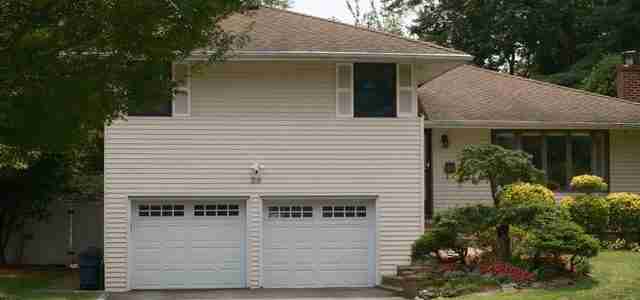
Ever stood in your driveway, jabbing the remote, wondering why the door just won’t move? Or maybe it opens fine, but that grinding noise makes you wince every single time? Garage doors rarely break down out of nowhere. They almost always send warning signs first, small clues that something is wearing thin.
The real question is whether you are paying attention to them. Catching these signs early can mean the difference between a quick, affordable fix and a frustrating repair bill down the road.
Here are five signs that mean it’s time to call in a professional:
1. Your Garage Door Is Making Strange Noises
A healthy garage door opens and closes quietly. If you start hearing grinding, squeaking, popping, or banging sounds, something is off. These noises usually point to worn rollers, loose hardware, or a spring that is losing tension.
Springs carry a lot of weight and pressure, so a sudden snap or loud bang can mean one is about to fail, and that is not something to handle on your own.
2. The Door Is Slow, Jerky, or Gets Stuck
Garage doors are designed for smooth, balanced movement. If yours hesitates, jerks, or stalls partway, something mechanical is likely off. Common culprits include:
- Misaligned tracks
- Worn or frayed lift cables
- A struggling or aging opener motor
- A door that has fallen out of balance
It is worth contacting a garage door installation & repair company before a minor fix turns into a major one.
Local pros like Sam’s Garage Doors regularly find that a simple adjustment, rather than a full replacement, solves the problem but only an experienced eye can tell the difference safely.
3. The Door Looks Uneven or Off-Balance
Stand back and watch your garage door open and close. Does one side lift faster than the other, or does the door look tilted halfway through?
An unbalanced door usually means a spring or cable has weakened or snapped, putting extra strain on the opener. Left unchecked, this imbalance can eventually cause the door to come off its tracks entirely.
4. Your Garage Door Opener Is Not Responding Properly
If your remote or wall switch sometimes does not work, or the door only opens partway before stopping, the opener itself might be the problem. It could be a weak battery, or it could be worn-out gears, a failing motor, or a misaligned sensor.
Since openers also control safety features like auto-reverse, a malfunctioning unit is not something to brush off, especially in homes with kids or pets. A quick test is placing a small piece of wood under the door as it closes; it should reverse the moment it makes contact.
5. You Notice Rust, Cracks, or Other Visible Damage
Take a close look at your door panels, hinges, and tracks every few months. Rust, dents, cracked panels, or frayed cables are all signs that the structural integrity of the door is weakening.
Damage like this rarely improves on its own, and in colder climates, moisture and temperature swings can speed up the wear considerably.
What Ignoring These Signs Could Cost You
It is tempting to put off a repair and hope the problem sorts itself out. But delaying action on a garage door usually ends up costing more than it saves:
- Higher repair bills, since small mechanical problems tend to snowball into bigger, more expensive ones.
- Reduced home security, as a weakened or unbalanced door is easier to force open.
- More strain on the opener motor, which can shorten its lifespan and lead to a full system replacement sooner than expected.
- A real safety risk for everyone in the household, including children and pets.
Garage door accidents injure an estimated 30,000 people every year, and most cases come down to the same two causes, poor maintenance and DIY repairs that go further than they should.
What to Look for When Choosing a Garage Door Company
Not every garage door company offers the same level of service, and the wrong choice can cost you more in the long run. Here is what to keep in mind before you book anyone:
- Local reputation — look for reviews from homeowners in your area, not just a high star rating.
- Clear, upfront pricing — no vague quotes or fees that appear after the job is done.
- Experience with your door type — springs, openers, and panel styles vary, so make sure they know what they are working with.
- Same-day or emergency availability — a broken door is often a security issue, so response time matters.
- Licensed and insured — protects you if anything goes wrong during the repair.
- Warranty on parts and labour — any reputable company should stand behind their work.
Taking a few minutes to check these things before booking can save you a lot of frustration down the line. A good company will have no problem answering these questions upfront, and that confidence alone tells you a lot about how they work.
Final Thoughts
A garage door rarely fails without warning. Noises, slow movement, imbalance, opener trouble, and visible damage are all signals worth paying attention to. Catching these early usually means a smaller repair bill, a safer home, and a door that lasts years longer.
If any of these signs sound familiar, do not wait for the door to fail completely. A quick inspection now can save you a much bigger headache later.