
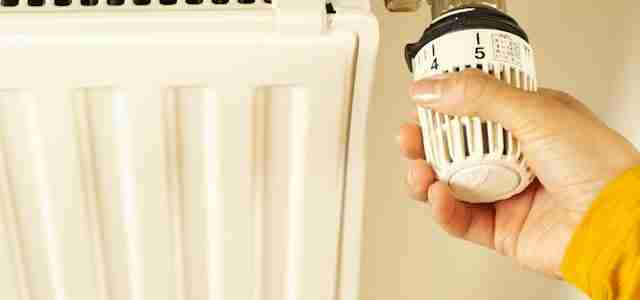
Most homes have that one room. No matter how high the heating is or how long it has been on, it just never seems to warm up properly. For families, this can quickly become frustrating, especially when certain spaces become uncomfortable to use during colder months.
Whether it is a bedroom, a living area or even a home office, persistent cold spots are more common than many people realise. The good news is that once you understand the cause, it becomes much easier to fix.
Why Some Rooms Feel Colder Than Others
It is easy to assume that a cold room is simply due to poor heating. In reality, the issue often lies elsewhere.
Several factors can contribute to uneven temperatures throughout a home:
- External walls that lose heat quickly
- Poor insulation within the structure
- Drafts around windows and doors
- Rooms that receive little natural sunlight
These issues mean that even when your heating system is working properly, heat is escaping faster than it can build up.
The Problem With Cold Walls
One of the biggest causes of cold rooms is poorly insulated walls, particularly those that face outside. These walls tend to absorb cold air and transfer it into the room, making the space feel colder even when the air temperature is relatively high.
You might notice this if:
- The walls feel cold to the touch
- Furniture placed against external walls feels damp or chilly
- The room takes much longer to heat up compared to others
Over time, this can also contribute to issues such as condensation and damp, which can make the problem worse.
Why Turning Up the Heating Does Not Solve It
A common reaction to a cold room is to simply increase the heating. While this might provide temporary relief, it does not address the root cause.
In fact, it can lead to:
- Higher energy bills
- Uneven heating across the home
- Continued heat loss through poorly insulated areas
For larger households, this can become expensive quickly, especially during winter months when heating is used more frequently.
Practical Ways to Improve Warmth
There are a number of simple steps you can take to make a cold room more comfortable without immediately resorting to major renovations.
Start with the basics. Thick curtains, rugs and soft furnishings can help retain heat and reduce drafts. Sealing gaps around windows and doors can also make a noticeable difference.
Rearranging furniture can help too. Avoid placing large items directly against cold external walls, as this can trap cold air and reduce airflow.
However, while these steps can improve comfort, they are often short term solutions rather than permanent fixes.
Addressing the Root Cause
To properly resolve a cold room, it is important to tackle the underlying issue, which is usually poor insulation within the walls.
Improving insulation helps retain heat inside the room, making it easier to maintain a consistent and comfortable temperature. It also reduces the amount of energy needed to heat the space, which can lead to long term savings.
One increasingly popular solution is internal wall insulation for cold walls. This approach focuses on adding insulation to the inside of external walls, helping to prevent heat from escaping while also improving overall comfort.
The Benefits for Family Homes
For families, maintaining a warm and comfortable home is especially important. Cold rooms can make it difficult for children to sleep, study or relax, and can limit how certain spaces are used.
Improving insulation can:
- Create a more consistent temperature throughout the home
- Reduce heating costs over time
- Improve comfort during colder months
- Help prevent issues such as damp and condensation
These benefits make it a worthwhile consideration for households looking to improve both comfort and efficiency.
Final Thoughts
Cold rooms are a common issue, but they are not something you have to live with. By understanding what is causing the problem and taking steps to address it properly, you can transform even the coldest space into a warm and usable part of your home.
Rather than relying on temporary fixes, focusing on long term solutions such as improved insulation can make a lasting difference. For busy family homes, this means greater comfort, lower energy costs and a more enjoyable living environment all year round.