
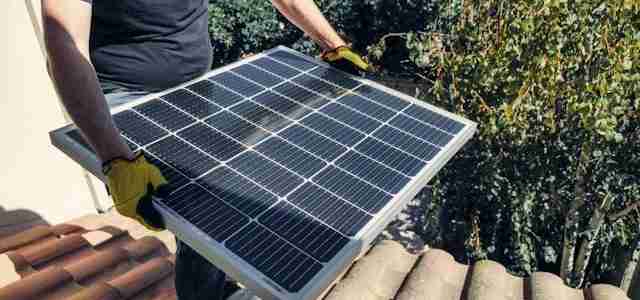
As more families invest in solar panels to reduce energy bills, battery storage is becoming an increasingly popular addition. While solar panels generate electricity during the day, a battery allows you to store that energy and use it later, especially in the evening when demand is higher.
But one of the most common questions homeowners have is simple — what size solar battery do you actually need?
Why Solar Batteries Matter for Families
Without a battery, any unused solar energy is typically sent back to the grid. While this can offer some return, it is often far less than the cost of buying electricity when you need it.
For families, this can mean missing out on potential savings. A battery helps you:
- Store excess energy generated during the day
- Use that energy in the evening when usage is higher
- Reduce reliance on your energy supplier
- Make better use of your solar investment
This is particularly useful for larger households where energy demand is spread throughout the day and into the evening.
Understanding Battery Size in Simple Terms
Solar battery size is usually measured in kilowatt-hours (kWh). This essentially tells you how much energy the battery can store.
For example:
- A 5 kWh battery can store 5 units of electricity
- A 10 kWh battery can store double that amount
The right size for your home depends on how much energy you use and when you use it.
What Impacts the Battery Size You Need?
There is no one size fits all answer. Several factors influence the ideal battery size for your home.
Your Energy Usage
The more electricity your household uses, the larger the battery you may need. Families with multiple occupants, home offices or high appliance usage will typically require more storage.
When You Use Energy
If most of your energy is used in the evening, a battery becomes even more valuable. It allows you to store daytime solar energy and use it when the sun is no longer shining.
The Size of Your Solar System
Your battery should match your solar panel output. A large battery paired with a small solar system may not fully charge, while a small battery may fill up too quickly and waste excess energy.
Your Budget
Larger batteries cost more, so it is important to balance performance with affordability. In many cases, a mid sized battery provides the best value.
Typical Battery Sizes for UK Homes
While every home is different, there are some general guidelines that can help.
- Smaller households may suit batteries around 4 to 6 kWh
- Medium households often benefit from 6 to 10 kWh
- Larger families may require 10 kWh or more
However, these are only rough estimates. To get a clearer picture, it is worth exploring different solar battery sizes UK to understand what would work best for your specific setup.
Avoiding Common Mistakes
Choosing the wrong battery size can limit the benefits of your solar system. Some common mistakes include:
- Choosing a battery that is too small, leading to wasted solar energy
- Overspending on a battery that is larger than necessary
- Not considering future energy usage, such as electric vehicles or home upgrades
Taking the time to assess your needs properly can help you avoid these issues.
Is Bigger Always Better?
It might seem logical to choose the largest battery possible, but this is not always the best approach. A larger battery only makes sense if you can regularly fill and use it.
For many families, a well sized battery that matches daily usage patterns will deliver better value than simply opting for maximum capacity.
Final Thoughts
Solar batteries can be a great addition to any home, helping families make the most of their solar panels and reduce energy costs over time. However, choosing the right size is key to getting the full benefit.
By understanding your energy usage, your solar setup and your daily habits, you can make a more informed decision that works for your home. With the right balance, a solar battery can turn unused energy into real savings and greater independence from the grid.