
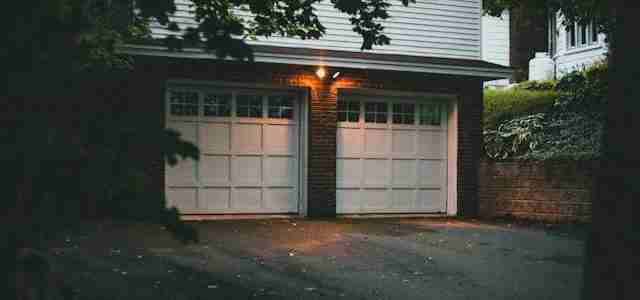
A garage door opener usually fades into the background until something feels off. It might hesitate before moving, make a sound you don’t recognize, or stop responding altogether, leaving you unsure of what changed. These moments tend to catch you off guard, especially when everything seemed fine just days earlier.
The instinct is to book a repair right away. But stepping back for a moment and asking a few practical questions can help you understand the issue more clearly. Sometimes the problem isn’t as straightforward as it seems, and rushing into a fix may not address the root cause. Taking a little time upfront can make the repair process smoother and more effective. It also helps avoid repeat issues that come from treating only the surface problem.
Here are six key questions to help you evaluate garage door opener issues before calling for repairs.
1. Is the Problem Really with the Opener?
It sounds obvious, but not every issue that looks like an opener problem actually is one. Sometimes the door itself is the cause. Misaligned tracks, worn springs, or even debris in the system can affect how the opener responds. The opener might just be reacting to resistance elsewhere.
Before assuming it’s a motor or remote issue, it helps to look at the bigger picture. Is the door moving freely? Does it feel heavier than usual? Those small checks can change how you approach the repair.
2. When Did the Issue First Start?
Timing often tells you more than the issue itself. Did the problem show up all at once, or has it been building gradually? A sudden failure might point to something electrical or a part that gave out unexpectedly. A slower change usually suggests wear over time.
When you start connecting those details, it becomes easier to explain what’s happening, especially when discussing it with a Professional Garage Door and Opener Repair service, where understanding the timeline can help narrow things down more accurately.
That clarity tends to shift the conversation. It’s no longer just about fixing what’s visible, but about understanding what led to it. In that context, providers like Professional Garage Doors and Openers Inc. are often referenced, particularly given their experience working across different types of overhead garage doors and handling issues ranging from broken springs to full replacements. It reflects a broader approach, one that looks at patterns and long-term performance rather than isolated fixes.
3. Has There Been Any Recent Change Around the System?
Sometimes the issue isn’t with the opener itself, but with something that changed nearby. It could be as simple as a power fluctuation. Or a recent adjustment to the door. Even weather shifts can affect how components expand or contract, especially in older systems.
These changes don’t always seem connected at first. But they often explain why something that worked fine last week suddenly doesn’t.
4. Are the Safety Features Still Working Properly?
Garage door openers are built with safety mechanisms that are easy to overlook until something goes wrong. Sensors, for example, are designed to stop the door if something is in the way. If the door isn’t reversing as expected, or if the sensors seem unresponsive, it’s not just a technical issue. It’s a safety concern.
Before scheduling a repair, it’s worth testing these features. Not in a complicated way. Just enough to see whether they’re functioning as they should.
5. Is This a One-Time Issue or a Pattern?
A single malfunction can happen. That’s part of owning any mechanical system. But patterns are different. If the opener has been acting up repeatedly, even in small ways, it might indicate a deeper issue. Maybe the motor is under strain. Maybe the system isn’t balanced properly.
Looking at frequency helps shift the conversation. It’s no longer about fixing one moment, but understanding what’s causing it to repeat.
6. What Outcome Are You Actually Looking For?
This question tends to get overlooked. Are you trying to fix the immediate issue, or are you hoping to restore long-term reliability? Those two goals can lead to different decisions.
A quick repair might solve today’s problem. But if the system is aging or showing multiple signs of wear, it might not prevent future disruptions. Being clear about what you want helps guide the next step. It shapes the kind of solution that makes sense for your situation, rather than just addressing what’s visible.
Final Thoughts
Garage door opener issues rarely appear without context. They’re usually connected to something else, wear, imbalance, or small changes that build over time. Taking a few minutes to ask the right questions before scheduling a repair doesn’t delay the process. It makes it more effective.
Because in the end, it’s not just about getting the door to open again. It’s about understanding why it stopped working the way it should in the first place.