
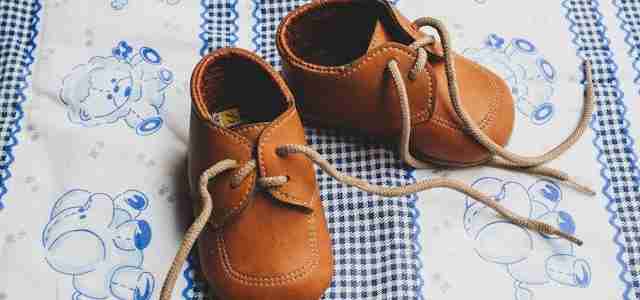
Before your baby arrives, dressing him feels like a sweet, simple task. Tiny outfits, adorable colors, and those first photos you imagine sharing with family. What no one really prepares you for is how often you’ll be dressing your baby boy — not once a day, but again and again, through naps, feeds, spills, growth spurts, and mood changes.
Clothing quickly becomes part of your daily rhythm as a parent, influencing how smoothly your day flows or how chaotic it feels. Over time, most parents realize that dressing a baby boy isn’t about style alone. It’s about comfort, practicality, adaptability, and making everyday life a little easier.
Having said that, let’s discuss some foremost things that parents usually learn only after living it, day after day.
A. Dressing Happens on Your Baby’s Schedule, Not Yours
One of the first realities parents encounter is that babies don’t follow fashion plans — they follow their own unpredictable schedules. A carefully chosen outfit might last ten minutes before a diaper leak, spit-up, or sudden nap demands a change. Some days, you’ll change outfits multiple times before noon.
This constant cycle teaches parents that clothes must be easy to work with. Complicated fastenings, stiff fabrics, or delicate designs become frustrating very quickly. What ends up mattering most is how fast you can dress your baby when he’s hungry, tired, or overstimulated. Over time, parents naturally gravitate toward baby boy clothing that supports quick changes and doesn’t interrupt the flow of the day. Clothing that works with your baby’s rhythm helps reduce stress — especially during those moments when patience is already running thin.
This is why many parents end up relying on everyday-focused brands like Gerber Childrenswear, which design clothing with real-life baby routines in mind. Instead of prioritizing looks alone, their baby boy collections are built around comfort, ease, and repeat wear. These are the kind of practical designs parents only learn to value after living through those frequent outfit changes themselves.
B. Growth Happens Faster Than Any Size Chart Suggests
Another thing no one warns you about is how quickly clothes stop fitting. One week, an outfit feels roomy, the next it’s suddenly tight around the shoulders or too short in the legs. Babies grow in spurts, not on predictable timelines.
This reality changes how parents think about clothing. Instead of building a “perfect” wardrobe, experienced parents aim for flexibility. Clothes that allow a little room to grow, stretch naturally with movement, or layer easily tend to get worn far more often. Parents also become more mindful about buying too far ahead, realizing that seasons and growth don’t always align neatly. Dressing a baby boy every day teaches you to think in terms of use, not just size labels.
C. Laundry Becomes Part of the Equation
Before a baby’s life, laundry is a routine task. After baby life, it becomes a constant. Spills, drool, food, and everyday messes mean clothes are washed frequently — sometimes daily. What parents don’t anticipate is how quickly low-quality fabrics fade, shrink, or lose shape under this routine wear.
Daily dressing teaches parents to value durability just as much as comfort. Clothes that hold up through repeated washing save time, money, and frustration. Over time, parents begin to notice which pieces stay soft, keep their fit, and still look good after countless cycles.
Those pieces become everyday staples, while others quietly disappear from rotation. All in all, dressing a baby boy every day reveals that quality isn’t about luxury — it’s about reliability.
D. Simplicity Ends Up Winning
Perhaps the biggest surprise is that, despite all the cute options available, simplicity almost always wins. Neutral colors, classic designs, and comfortable cuts get used far more than elaborate outfits. Simple clothes make mornings easier, outfit changes quicker, and laundry less stressful.
As family life gets busier, parents appreciate clothing that doesn’t demand attention. Pieces that mix easily, work across activities, and don’t require special care fit seamlessly into daily routines. Dressing a baby boy every single day shifts priorities from “what looks best” to “what works best.” And that shift brings a sense of calm to parenting that many didn’t expect.
Final Thoughts
Dressing a baby boy every day is less about fashion and more about function, comfort, and flow. It’s something parents learn gradually — through early mornings, long afternoons, growth spurts, and countless outfit changes. The right clothes quietly support your baby’s comfort and your own peace of mind, becoming an unseen part of smoother days. When clothing works with your routine instead of against it, parenting feels just a little more manageable. And that’s something no one really tells you — until you live it.