
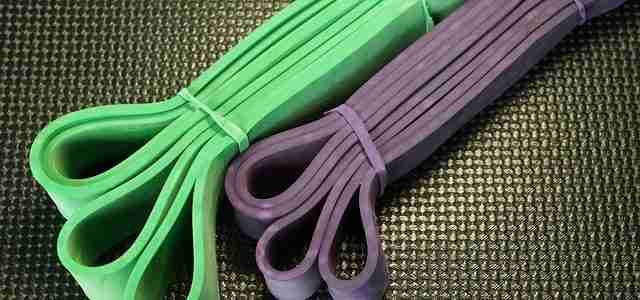
Hip resistance bands, often referred to as booty bands or loop bands, are compact, versatile tools that can revolutionize your workout routine. These elastic bands are typically made of durable fabric or rubber and are used to add resistance to exercises, enhancing the effectiveness of your workouts. Whether you’re a gym enthusiast or a home workout aficionado, incorporating hip resistance bands into your fitness regime can bring noticeable improvements.
How Resistance Bands Enhance Squat Performance
Squats are a fundamental exercise that primarily targets the muscles of the lower body, including the quadriceps, hamstrings, glutes, and calves. When you incorporate hip resistance bands into your squat routine, you create additional tension, which intensifies the workout and leads to better results. The bands work by engaging the hip abductors and gluteus medius, which are often underutilized in traditional squats.
Using Tribe Lifting hip resistance bands during squats can also improve your form. The bands encourage proper knee alignment by preventing them from caving inward, a common issue known as valgus collapse. This alignment aids in reducing the risk of injury while ensuring that the correct muscles are activated during the exercise. Improved form not only enhances performance but also contributes to long-term joint health.
Moreover, the added resistance from the bands increases the time under tension for your muscles. This extended tension boosts muscle endurance and strength, helping you achieve your fitness goals more efficiently. By regularly incorporating hip resistance bands into your squats, you can expect to see improvements in muscle tone, strength, and overall lower body stability.
How Resistance Bands Improve Lunge Mechanics
Lunges are another essential exercise for building lower body strength, balance, and coordination. Adding hip resistance bands to your lunges can significantly enhance these benefits by increasing the difficulty and effectiveness of the exercise. The bands provide lateral resistance, which forces your muscles to work harder to maintain balance and stability.
One of the key improvements that resistance bands bring to lunges is the activation of the hip stabilizers. These small muscles are crucial for maintaining balance and preventing injury, especially during dynamic movements. By engaging these stabilizers, resistance bands help improve your overall balance and coordination, making you more agile and less prone to injuries.
Additionally, hip resistance bands promote better posture and alignment during lunges. They encourage you to keep your knees aligned with your toes, reducing the risk of strain and injury. This alignment is particularly beneficial for those who experience knee pain or discomfort during lunges, as it helps distribute the load more evenly across the joints.
Sample Squat and Lunge Workouts
To maximize the benefits of hip resistance bands, consider incorporating the following sample workouts into your routine. These exercises are designed to enhance muscle engagement and improve overall lower body strength.
Squat Workout with Hip Resistance Bands:
- Band Squats: Perform 3 sets of 12-15 reps. Focus on maintaining proper form and keeping your knees aligned with your toes.
- Sumo Squats: Complete 3 sets of 10-12 reps, with feet wider than shoulder-width and toes pointing outwards.
- Pulse Squats: Execute 3 sets of 10-15 reps, holding a squat position and performing small pulses.
Lunge Workout with Hip Resistance Bands:
- Forward Lunges: Perform 3 sets of 10 reps per leg, ensuring that your knees do not extend beyond your toes.
- Reverse Lunges: Complete 3 sets of 10 reps per leg, stepping backward and lowering your hips until both knees are at 90-degree angles.
- Lateral Lunges: Execute 3 sets of 12 reps per side, stepping to the side and lowering your body into a squat position.
Muscle Groups Targeted by Hip Bands
When you use hip resistance bands during squats and lunges, you target a variety of muscle groups, enhancing the overall effectiveness of your workout. Here’s a breakdown of the primary muscle groups that benefit from using these bands:
- Gluteus Maximus, Medius, and Minimus: These muscles are the main focus of hip resistance bands, helping to build a stronger, more defined posterior. Studies show that gluteus maximus and medius are highly activated during hip abduction and therapeutic exercises using elastic resistance.
- Quadriceps: Located at the front of your thighs, these muscles are heavily engaged during both squats and lunges.
- Hamstrings: Situated at the back of your thighs, they work in conjunction with the quadriceps and glutes during lower body exercises.
- Hip Abductors and Adductors: These muscles help stabilize your hips and improve lateral movement.
- Calves: Although not as heavily targeted, they play a supporting role in providing stability during these exercises.
This means that everyday activities, such as walking, running, and climbing stairs, become easier and less taxing on your body.
Tips for Progression and Injury Prevention
As you become more comfortable with hip resistance bands, it’s essential to progress gradually to continue challenging your muscles and avoiding plateaus. Here are some tips for progression and injury prevention:
- Increase Resistance: As you build strength, consider using bands with higher resistance levels. This will ensure that your muscles continue to be challenged, promoting growth and development.
- Focus on Form: Proper form is crucial for preventing injuries. Always prioritize technique over the number of repetitions to ensure that you’re engaging the right muscles and reducing strain on your joints.
- Vary Your Workouts: To avoid overuse injuries and keep your routine exciting, incorporate a variety of exercises and movements. This will help target different muscle groups and prevent boredom.
- Listen to Your Body: Pay attention to any signs of discomfort or pain. If you experience persistent pain, it’s essential to consult a healthcare professional to prevent further injury.
Summary
Incorporating hip resistance bands into your squat and lunge routines can significantly enhance muscle engagement, improve form, and boost overall lower body strength. These versatile tools target essential muscle groups, including the glutes, quadriceps, hamstrings, and hip stabilizers, leading to improved functional fitness and reduced injury risk. Remember, consistency and proper form are key to success, so make sure to prioritize these aspects throughout your fitness journey.