
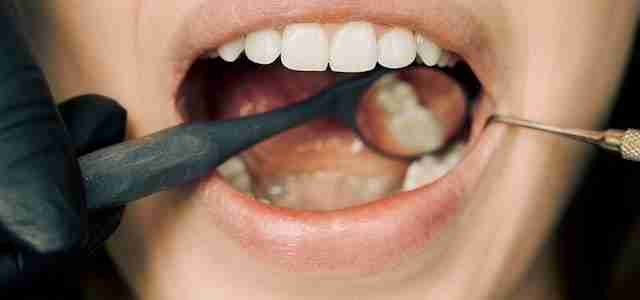
Most people know that brushing and flossing are important, but that’s often where oral care stops. What many overlook is how much oral health can reveal about the body as a whole. Neglecting it may lead to problems that go far beyond cavities or gum disease.
In New Haven, CT, providers offering orthodontic services are seeing firsthand how early dental care can reduce long-term strain and support overall health. This article looks at how your oral health connects to your body, what professionals want you to understand, and simple daily steps that help protect your well-being from the inside out.
The Mouth-Body Connection: What Science Tells Us
There’s growing evidence that the health of your mouth is closely tied to the health of your body. In medical communities across the country, including New Haven, dentists and doctors now recognize that oral issues like gum disease, inflammation, and infections can be linked to serious conditions, including heart disease, diabetes, stroke, and respiratory problems.
This happens when harmful bacteria in the mouth move beyond the gums and enter the bloodstream. Once they circulate, they can trigger inflammation, worsen existing conditions, and place added strain on vital organs. For example, people with periodontal disease face a higher risk of clogged arteries, while those with diabetes often struggle to keep blood sugar stable when gum health declines.
But not all oral problems start with infection. Some begin with alignment. Crooked teeth or a poor bite can quietly cause chronic tension in the jaw, facial pain, headaches, and even difficulty sleeping. These issues are often overlooked or dismissed as unrelated. If this is the case with you, then you should look for New Haven orthodontics services to address the underlying cause before the discomfort worsens or leads to further complications.
Oral health is never isolated. What starts in the mouth can ripple through the rest of the body, affecting both how you feel and how well your body functions each day.
Hidden Risks of Poor Oral Hygiene
When oral hygiene is overlooked, the most common concerns are bad breath or a few cavities. But there are less visible risks that many people don’t consider.
Unchecked plaque buildup can lead to gum infections that may spread, damaging the bone that holds your teeth in place. Over time, this could cause teeth to loosen or fall out. But that’s just one layer of the problem.
Oral bacteria can trigger or worsen chronic inflammation, which has been linked to serious conditions like Alzheimer’s, kidney disease, and even certain cancers. In pregnant women, poor gum health has been associated with premature birth and low birth weight.
Also, untreated dental infections can lead to abscesses or other serious complications that require emergency care. These are not rare events, they happen more often than many realize.
If severe pain, swelling or another urgent dental problem develops outside normal office hours, it can help to know where to look for prompt support. Forestream Dental Care – 24 Hour Emergency Dentists can help people explore after-hours dental options when a problem cannot wait.
Expert Insights: What Dentists and Doctors Are Saying
Dental professionals often say that your mouth is a mirror of your overall health. And it’s true. Many health problems show early signs in the mouth before becoming more serious elsewhere.
For instance, vitamin deficiencies, hormonal changes, and certain autoimmune diseases may first show symptoms like gum bleeding, dry mouth, or tongue changes. In fact, dentists are sometimes the first to spot signs of diabetes, cancer, or osteoporosis during routine exams.
Health experts recommend not waiting for pain or discomfort to book a visit. By the time something hurts, the issue is often further along. Instead, they suggest thinking of dental checkups as part of your regular health care routine, just like seeing a primary care doctor.
The good news? Preventing major problems usually starts with small steps.
Lifestyle Habits That Sabotage Oral Health
Certain habits can quietly harm your oral health, even if you brush twice a day. Smoking, for example, doesn’t just stain your teeth; it weakens your gums and increases the risk of oral cancer. Heavy alcohol use can dry out your mouth and raise acidity levels, wearing down enamel faster.
A diet high in sugary snacks or drinks feeds harmful bacteria in your mouth, which leads to cavities and gum disease. Some people grind their teeth when they’re stressed, which can wear down enamel or cause jaw pain.
Even skipping regular dental visits can allow problems to go unnoticed. Catching an issue early is usually less costly and easier to treat.
Good Oral Health Starts at Home: Daily Habits That Make a Difference
Keeping your mouth healthy doesn’t have to be complicated. It starts with building a solid daily routine.
- Brush twice a day with a fluoride toothpaste. Make sure to brush for at least two minutes and cover all surfaces.
- Floss once a day to remove food and plaque between your teeth.
- Scrape your tongue or use a toothbrush to clean it gently—this helps reduce bacteria and freshen breath.
- Rinse with mouthwash if recommended by your dentist, especially if you’re prone to cavities or gum issues.
Your diet also matters. Choose foods rich in calcium, like dairy products or leafy greens, and limit sugary snacks. Drink plenty of water to rinse away food particles and help your mouth stay moist.
These small efforts add up over time and can make a big difference.
When to See a Dentist: Signs You Shouldn’t Ignore
Some people avoid the dentist until they’re in pain—but that approach can backfire. Regular checkups help catch problems early and keep your mouth healthy for the long term.
Watch for these warning signs:
- Gums that bleed when brushing or flossing
- Persistent bad breath
- Teeth that feel loose or sensitive
- Sores that don’t heal
- Pain when chewing or biting
If you notice any of these, don’t wait. Dentists can assess the issue, recommend treatment, and help prevent it from getting worse. Many also perform oral cancer screenings during routine visits, which can be life-saving when caught early.
Tips for Long-Term Oral Wellness
Good oral health isn’t just about what you do today—it’s about forming habits that last. Here are a few more tips to keep in mind:
- Stick to a consistent routine. Brushing and flossing should be non-negotiable parts of your day.
- Stay hydrated. A dry mouth creates a better environment for harmful bacteria.
- Avoid overusing whitening products or charcoal-based pastes, which can wear down enamel.
- Don’t ignore dental appointments. Aim to visit every six months, or more often if advised.
- Use a mouthguard if you grind your teeth or play contact sports.
Taking these steps can help you avoid costly treatments and protect your health overall.
Oral health might not be the first thing you think about when it comes to wellness, but it deserves more attention than it usually gets. From heart health to diabetes management and even early disease detection, your mouth plays a bigger role in your overall health than you may realize.
The best part? Most oral health problems are preventable with daily care and regular dental visits. By staying consistent and informed, you’re not just protecting your smile—you’re supporting your body as a whole.
Take your oral health seriously, because it really does matter more than you think.