
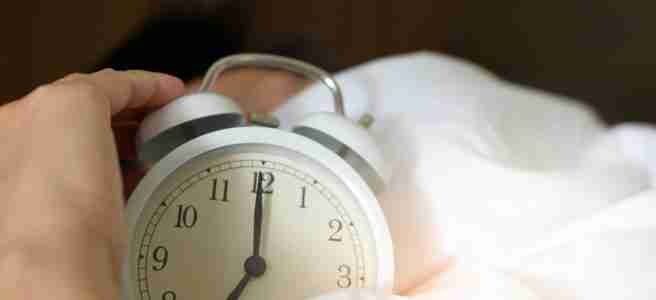
Ever wake up feeling more tired than when you went to bed? Or catch yourself grinding your teeth at night? These might seem like minor problems, but they could be signs of something deeper at play. Sleep issues are more than just tossing and turning, they often have roots in surprising places, including your mouth. It might sound odd, but for some people, sleep apnea diagnosis begins not in a sleep lab, but right there in the dentist’s chair.
When Your Mouth Tells a Bigger Story
Dentists see more than just cavities and plaque. OIn fact, during a regular check-up, they might notice red flags you have never given a second thought. A flattened bite surface, signs of teeth grinding, a scalloped tongue, or redness in the throat, these aren’t random. They can be subtle but telling indicators that something is interfering with your breathing while you sleep.
That clenching? It is never just stress. It can actually be your body’s reflexive way of trying to keep your airway open. And that mouth breathing you have always chalked up to habit? It could be the result of restricted nasal airflow, which forces you to breathe through your mouth, drying out tissues and possibly worsening snoring or interrupted sleep.
The Anatomical Link Between Oral Structure and Breathing
Let us dig a little deeper to better understand how your oral structure can affect your breathing. The actual structure of your mouth, things like the position of your jaw, the size of your tongue, or the width of your palate, can have a huge influence on how easily air passes through while you are sleeping.
A narrow upper jaw or a recessed chin can cause the airway to become crowded, especially when throat muscles naturally relax during sleep. That is when breathing starts to hitch, leading to gasps, snorts, or even momentary awakenings that fragment your rest. The scary part? You might not even realise it is happening.
Your Dentist’s Role in Treatment and Ongoing Care
Once sleep apnea is confirmed, you might think it’s all about the CPAP machine. But not everyone takes to those bulky masks. That is where your dentist steps in again. They can design a custom oral appliance, kind of like a sports mouthguard, that repositions the jaw or holds the tongue forward while you sleep.
It is small, portable, and most importantly, effective for many people with mild to moderate obstructive sleep apnea. These devices don’t just help you breathe better, they can dramatically reduce snoring and improve your overall sleep quality.
That said, they can be a great alternative for people who’ve struggled with traditional treatments or simply want a less invasive option. Plus, these solutions come with the added benefit of preserving dental health by reducing grinding and jaw tension.
The Case for Prioritising Oral Health
There is more to good oral hygiene than fresh breath and pearly whites. Gum disease, for instance, creates inflammation that doesn’t just stay in your mouth but can travel and affect other parts of the body, including the soft tissues of your airway.
And if you are a chronic mouth breather, whether due to allergies or poor tongue posture, your risk of disturbed sleep shoots up. That dry, irritated throat is not just uncomfortable, it’s a potential warning sign. Regular dental check-ups provide a unique opportunity to catch these issues early.
Final Thoughts
When you think about improving your sleep, your first call probably isn’t to your dentist, but maybe it should be. Your mouth can reveal what your nights have been hiding. And in many cases, it is the dentist who spots the earliest signs that something is amiss.
So, if mornings feel rough, or your partner complains about your snoring, or if you are just feeling off despite getting quality sleep, don’t ignore it. Oral health might be the hidden piece of the puzzle you have been missing.