
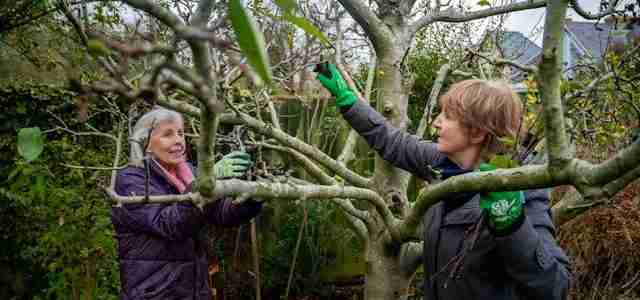
Pruning is an essential part of garden maintenance because it helps trees and shrubs to stay healthy. It also helps them to look their best.
Pruning will also assist trees in producing more flowers or fruit. It doesn’t matter if you are shaping a young tree or removing dead branches, proper pruning techniques can make a big difference.
Understanding when and how to prune is going to ensure that your garden remains vibrant and well-maintained all year round.
Why Pruning is Important
Pruning does more than just improve the appearance of your garden. It is going to play a crucial role in plant health by removing dead or diseased branches and will prevent the spread of pests as well as disease.
Thinning out dense areas will improve air circulation and reduce the risk of there being fungal infections. Strategic pruning will also encourage new growth in trees, this will help plants develop stronger structures.
It will also increase flower or fruit production. Additionally, well-pruned trees and shrubs will allow a lot more sunlight to reach lower branches as well as surrounding plants. This will foster a balanced and healthy garden ecosystem.
Best Times to Prune Trees and Shrubs
Timing is everything when it comes to pruning. The best time to prune will depend on the type of tree or shrub you are pruning. It will also depend on the reason you are cutting back growth.
Winter pruning is ideal for most deciduous trees and shrubs. When trees are dormant, it will be a lot easier for you to see their structure. However, cuts heal quickly in spring when new growth starts.
Spring pruning works well for those plants that bloom on old wood. Plants like lilacs and forsythia fall into this category. Trimming immediately after flowering will prevent you from accidentally removing next season’s buds.
Summer pruning is beneficial for slowing down growth. This is good for trees that produce excessive shoots, such as fruit trees. Pruning is generally discouraged in the fall because cuts heal slowly. This will leave trees vulnerable to disease and winter damage.
Understanding the best pruning schedule for your plants is going to keep them in top shape all throughout the year.
Essential Pruning Techniques
Pruning is not just about cutting branches randomly. It requires that you use a careful technique to ensure that the trees or shrubs stay as healthy a possible. Thinning is the process of removing select branches so that you improve air circulation as well as light penetration.
Heading involves cutting back a branch to a bud so that bushier growth is encouraged. Deadheading refers to removing spent flowers. This helps to promote continuous blooming.
Rejuvenation pruning is all about cutting shrubs until they are almost to the ground. This will encourage vigorous new growth. Crown reduction shortens the branches of a tree to reduce the overall size while keeping the tree’s shape. Using the right technique based on your plant’s needs will ensure that pruning contributes to long-term health and appearance.
Choosing the Right Tools for Pruning
Having the right tools makes pruning easier it also makes it a lot more effective. When you use sharp, clean tools it helps to make precise cuts and prevents unnecessary damage.
Hand pruners are useful for small branches as well as deadheading flowers. Loppers are better suited for thicker branches that hand pruners will not be able to cut. Pruning saws are necessary when you have larger branches as well as dense growth.
For taller trees, a pole saw is an excellent tool that allows you to trim high branches safely from the ground. This will reduce the need for climbing while ensuring that the tree can maintain its height and shape efficiently.
Common Pruning Mistakes to Avoid
While pruning offers many benefits, you have to be aware that improper techniques can harm plants. Over-pruning by removing too much at once will stress the plant and weaken its core structure.
If you cut too close or too far from the trunk it will hinder proper healing. Pruning at the wrong time may result in fewer flowers. You may also see weak growth and make your trees vulnerable to disease.
Using dull or dirty tools can crush branches because you will not get clean cuts. Dirty tools may spread disease between plants, so you need to be careful. By taking an informed approach to pruning, you will avoid a lot of pitfalls and this will ensure your garden thrives, no matter what season of the year it is.