
Gardening is a relaxing and rewarding hobby, but for many, the upkeep can become overwhelming. The commitment can feel like a burden, especially for those with busy schedules. If you’re someone who loves the idea of a beautiful garden but dreads constant upkeep, you’re not alone.
The good news is that with smart planning and the right techniques, you can create a low-maintenance garden that looks great and saves you time and effort. This article will share essential tips to help you achieve that balance, so you can enjoy your outdoor space without feeling like it’s a second job.
Choose Native Plants That Thrive Naturally
Native plants are one of the simplest ways to reduce the maintenance required in your garden. These plants have adapted to your local climate, soil, and conditions, meaning they need less water, fertilizer, and pest control compared to non-native species. For example, if you live in a dry region, opting for drought-tolerant natives like lavender or California poppy can make a big difference.
Not only are native plants easier to care for, but they also support local ecosystems. Birds, bees, and other pollinators thrive when they have access to plants that naturally belong in the area. By choosing native species, you create a garden that’s beautiful, resilient, and eco-friendly.
Use the Right Tools to Save Time
Using the right tools can make a big difference in reducing the time you spend on garden maintenance. High-quality pruners, shears, and shovels can help you work more efficiently and with less effort, allowing you to complete tasks quickly and effectively. If you have grassy areas, lawn mowers can simplify the job for you. Choose a model that fits your lawn size and terrain. A well-maintained lawn mower can significantly cut down on the time spent managing your lawn, ensuring it stays neat with minimal effort.
Other essential tools, such as garden trowels, weeders, and wheelbarrows, also streamline everyday tasks. Ergonomic designs and lightweight materials make these tools more comfortable to use, especially for prolonged work. Additionally, consider multi-purpose tools that save storage space and reduce the need for multiple items.
Use Mulch to Reduce Weeds and Conserve Water
Mulch is a game-changer when it comes to low-maintenance gardening. Adding a layer of organic mulch, like bark or straw, around your plants suppresses weed growth by blocking sunlight. Fewer weeds mean less time spent pulling them out. Mulch also retains moisture in the soil, reducing how often you need to water your plants.
To get the best results, apply a layer of mulch that’s 2–3 inches thick. Make sure it doesn’t touch the base of your plants to prevent rot. Over time, organic mulch will break down and enrich the soil, further benefiting your garden.
Opt for Perennials to Save Time and Effort
Unlike annual plants that need to be replanted each year, perennials come back on their own, saving you time and effort. Perennials are a great option for low-maintenance gardens because they establish strong root systems and can thrive for years with minimal care. Popular choices like daylilies, hostas, and coneflowers offer vibrant blooms without requiring constant attention.
Perennials also reduce costs over time, as you won’t need to purchase new plants every season. Once established, they’re hardy and can withstand varying weather conditions, making them perfect for gardeners looking to minimize upkeep.
Group Plants Based on Their Water Needs
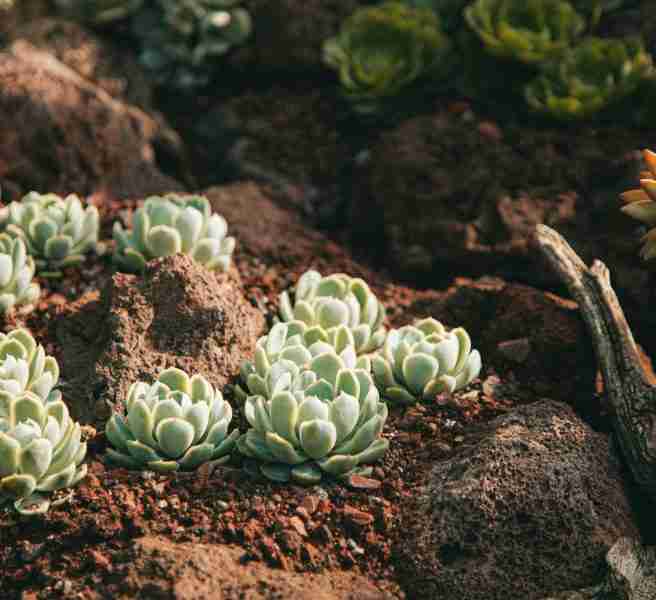
Hydrozoning, or grouping plants with similar water requirements, is a practical strategy for a low-maintenance garden. When plants with the same needs are placed together, you can water them more efficiently, reducing waste and overwatering. For instance, drought-tolerant plants like succulents and lavender can thrive in one area, while thirstier plants like hydrangeas can be grouped elsewhere.
This approach simplifies your watering routine and keeps your plants healthier. It also allows you to design your garden more effectively, creating zones that are not only functional but visually appealing.
Add Hardscaping Features to Minimize Planting Areas
Incorporating hardscaping into your garden design is another excellent way to reduce maintenance. Features like stone pathways, patios, and gravel beds not only cut down on the planting areas but also create functional and stylish outdoor spaces. Hardscaping materials like flagstone, pavers, and crushed stone require little to no upkeep, making them ideal for busy gardeners.
You can use hardscaping to define different sections of your garden or create seating areas for relaxation. To further enhance structure and keep your design neat over time, elements like steel garden edging can be used to clearly define borders between planting areas and hard surfaces, helping prevent soil spread and reducing ongoing maintenance efforts.
Combining plants with hardscape elements adds texture and depth to your garden while keeping the maintenance effort low.
Select Trees and Shrubs That Need Little Pruning
When choosing trees and shrubs, go for varieties that don’t require frequent pruning or pest control. Evergreen shrubs like boxwoods and holly are perfect for adding structure to your garden without demanding much attention. Similarly, slow-growing trees like Japanese maples provide shade and beauty with minimal maintenance.
These plants are often hardy and can withstand harsh weather conditions. Planting native or drought-tolerant shrubs ensures they thrive in your local climate. For even less work, consider grouping them together with mulch to keep weeds at bay and retain moisture.
A low-maintenance garden isn’t just about reducing work—it’s about making gardening enjoyable and sustainable. By choosing native plants, replacing grass with ground covers, and incorporating hardscaping features, you can create an outdoor space that looks beautiful without constant upkeep. Raised garden beds, well-chosen shrubs, and smart tools can further simplify your gardening tasks, allowing you to spend more time enjoying your space and less time working on it.
Start by implementing one or two of these tips and see the difference they make. With thoughtful planning, you can achieve a garden that fits your lifestyle and brings you joy without demanding too much of your time. Gardening should be a pleasure, not a chore, and with these strategies, you’ll find that balance effortlessly.