
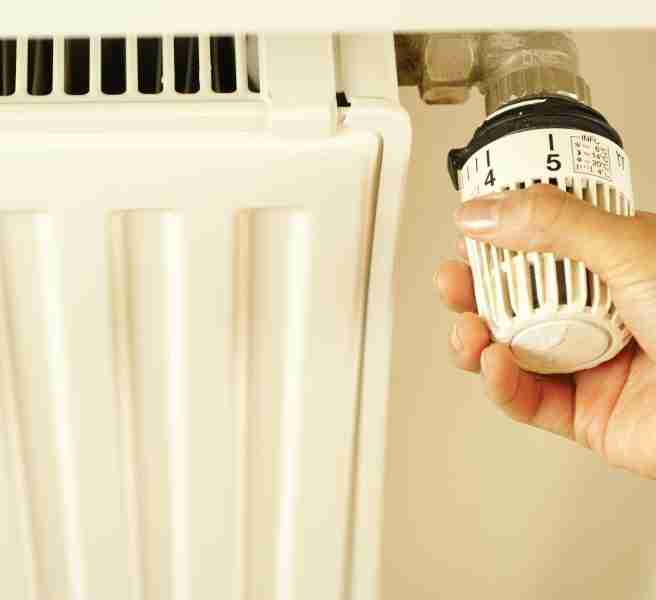
Maintaining your home’s heating system is essential for comfort and safety, especially during the colder months. Regular upkeep ensures efficient operation, reduces energy costs, and extends the system’s lifespan, preventing unexpected breakdowns when you need heat the most.
In Sterling, VA, winters are cold, with average low temperatures around 27°F. This chilly climate means heating systems work overtime, leading to increased wear and tear. Regular maintenance is crucial to keep your system running efficiently and prolong its lifespan, ensuring your home stays warm throughout the winter.
This article will help you keep your heating system working in optimal condition.
1. Schedule Regular Professional Inspections
Having your heating system inspected by a certified HVAC professional at least once a year is vital. These experts can identify potential issues early, such as worn-out parts or inefficiencies, and address them before they escalate into major problems. Regular inspections ensure that your system operates safely and efficiently, providing peace of mind during the colder months.
2. Do Not Overlook Maintenance
Regular maintenance is essential to keep your heating system running efficiently and to extend its lifespan. Tasks such as inspecting and cleaning components, checking for wear and tear, and ensuring proper calibration can prevent unexpected breakdowns and improve energy efficiency. Homeowners should schedule professional maintenance annually and perform simple checks, like replacing filters and monitoring system performance, throughout the year.
Regular heating system maintenance in Sterling, VA is the only way to keep the system up and running in the city’s cold winter season. It ensures that heating systems can handle the increased workload during these months, providing reliable warmth and comfort to residents. Neglecting maintenance can lead to system failures when needed most, making upkeep particularly important in this region. Just make sure you’re hiring the right professionals, like AllTech Services, Inc., to get the job done so you can rest assured that your system won’t break down when you need it the most.
3. Replace Air Filters Frequently
Regularly replacing air filters is essential for maintaining indoor air quality and ensuring your heating system operates efficiently. Over time, filters accumulate dust, pollen, and other particles, obstructing airflow and forcing the system to work harder, potentially leading to increased energy consumption and reduced lifespan. It’s advisable to inspect filters monthly and replace them every 1 to 3 months, depending on factors like filter type, household size, presence of pets, and indoor air quality. Consistent filter maintenance enhances system performance and contributes to a healthier living environment.
4. Keep Vents and Registers Clean and Unobstructed
Blocked or dirty vents and registers can impede airflow, causing your heating system to work harder to maintain the desired temperature. Regularly cleaning these components and ensuring they are free from obstructions like furniture or curtains will promote efficient airflow, improve indoor air quality, and reduce unnecessary strain on your system.
5. Monitor and Maintain Optimal Thermostat Settings
Setting your thermostat to appropriate temperatures can significantly impact the efficiency and longevity of your heating system. During winter, keeping your thermostat at a consistent temperature while you’re home and lowering it slightly when you’re away or sleeping is advisable. Utilizing programmable thermostats can help automate this process, reducing the system’s workload and saving energy costs.
6. Inspect and Seal Ductwork Regularly
Leaky or blocked ducts can significantly reduce the efficiency of your heating system, leading to uneven heating and increased energy bills. Regularly inspect your ductwork for visible signs of damage, such as holes, gaps, or disconnected sections. Sealing these leaks with appropriate materials, like mastic sealant or metal tape, ensures that warm air reaches its intended destination without loss. Additionally, consider cleaning your ducts professionally to remove accumulated dust and debris, which can obstruct airflow and strain the system.
7. Ensure Proper Insulation in Your Home
Adequate insulation plays a crucial role in maintaining indoor temperatures and reducing the load on your heating system. Check insulation around your home, especially in the attic, walls, and floors, to ensure it meets recommended standards. Proper insulation prevents heat from escaping, allowing your system to operate more efficiently and effectively. If you notice drafts or cold spots, it may be time to upgrade your insulation or seal gaps around windows and doors to enhance energy efficiency.
8. Address Repairs Promptly
Ignoring minor issues with your heating system can lead to more significant problems over time. If you notice unusual noises, inconsistent temperatures, or increased energy bills, addressing these concerns promptly is essential. Contact a qualified technician to diagnose and repair any faults. Timely repairs prevent further damage, ensure optimal performance, and extend the lifespan of your system.
9. Utilize Ceiling Fans to Distribute Heat Evenly
Ceiling fans aren’t just for cooling; they can also help distribute heat more evenly throughout your home. By setting the rotation direction of your ceiling fan to clockwise at a low speed during winter, warm air that rises to the ceiling is pushed back into the living space. This circulation reduces the burden on your heating system, maintains consistent temperatures, and can lead to energy savings.
10. Consider Upgrading to a Programmable Thermostat
A programmable thermostat allows you to set specific temperatures for different times of the day, ensuring efficient heating system use. For instance, you can lower the temperature when you’re asleep or away and have it warm up just before you wake or return home. This automation reduces unnecessary heating, conserves energy, and decreases wear on your system. Upgrading to a programmable or smart thermostat is a cost-effective way to enhance comfort and efficiency.
Implementing these best practices can significantly prolong the life of your heating system and ensure it operates efficiently throughout the colder months. Regular maintenance, prompt repairs, proper insulation, and smart usage strategies all contribute to a reliable and effective system. By taking proactive steps, you not only enhance comfort in your home but also achieve energy savings and reduce the likelihood of unexpected breakdowns. Remember, a well-maintained heating system is key to a warm and worry-free winter season.