
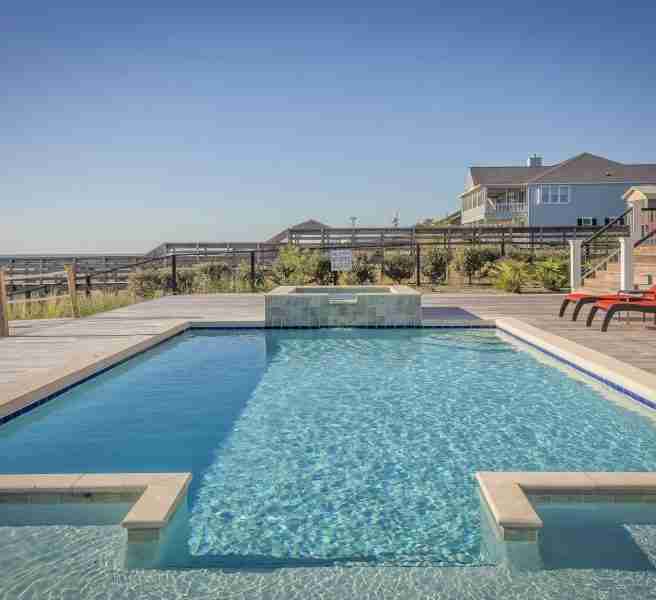
If you have a swimming pool at home that feels outdated or needs a refresh, a renovation can be an excellent way to upgrade it. A well-planned renovation enhances its appearance and improves functionality, safety, and energy efficiency. Whether adding new features or upgrading existing ones, a well-thought-out approach is essential to ensure the project meets your expectations and budget.
This guide will help you plan effectively, covering everything from assessing your current setup to setting a budget and deciding on materials.
Assessing Your Current Area
Before diving into renovations, evaluating what’s already there is important. Start by inspecting the surface for cracks, discoloration, or signs of wear. Check the plumbing, pumps, and filters to ensure they are in good condition. These should be prioritized during the renovation if you notice frequent leaks, malfunctioning equipment, or structural issues. Consider the safety features as well. Are fences, covers, or alarms up to date? Safety regulations may have changed since the original installation, so this is a great opportunity to bring everything up to code. Understanding the current condition of your space will help you determine the scope of work needed.
Understanding the Basics of Remodeling
Remodeling refers to making significant changes or updates to a space. These can range from minor cosmetic changes, like replacing tiles or resurfacing, to larger projects, such as redesigning the shape or adding new features like a spa or water slide. Deciding what type of remodeling you need depends on your goals. For example, if you’re looking to modernize the design, you might opt for trendy materials or add features like LED lighting. On the other hand, if your focus is on functionality, you may prioritize fixing plumbing issues or installing energy-efficient equipment.
With pool remodeling, you can enhance the overall look and feel of your backyard. With careful planning and help from expert remodelers like Advance Pools, you can transform an outdated area into a relaxing and beautiful retreat.
Setting a Budget
Determining a budget is one of the most critical renovation planning steps. Costs can vary widely depending on the size of the project, the materials used, and the complexity of the design. Start by setting a realistic budget based on your financial situation and the features you want to include. It’s also wise to include a contingency fund to cover unexpected expenses. Hidden issues, such as plumbing leaks or structural damage, may surface during renovations, requiring additional work. A well-thought-out budget ensures you won’t face financial surprises mid-project.
Choosing the Right Materials
The materials you choose can greatly impact your renovation’s look, durability, and cost. Popular options include plaster, tile, and pebble finishes, each offering unique benefits. For example, tiles are known for their sleek appearance and longevity, while pebble finishes provide a more natural, textured look. When choosing materials, consider factors like weather resistance, maintenance requirements, and compatibility with your existing setup. Selecting high-quality materials ensures a longer lifespan and minimizes future repair needs.
Deciding on Design Upgrades
Upgrades can make your swimming area more enjoyable and visually appealing. Features like waterfalls, fountains, and tanning ledges can enhance relaxation and create a luxurious atmosphere. Adding energy-efficient equipment, such as variable-speed pumps or solar heaters, can also save money in the long run. When planning upgrades, think about how you’ll use the space. If you entertain frequently, a built-in seating area or an outdoor kitchen nearby might be worth considering. Shallow play areas or safety covers could be practical additions for families with children. By focusing on upgrades that fit your lifestyle, you’ll get the most value from your renovation.
Understanding Permits and Regulations
Before starting renovations, it’s important to check local regulations. Many municipalities have specific codes for residential swimming areas, such as fencing requirements, safety measures, and equipment standards. Failure to comply can lead to fines or delays. In most cases, you’ll need permits for structural changes, plumbing updates, or adding new features. These permits ensure the work is done safely and up to code. While obtaining them might seem like a hassle, a professional contractor can usually handle this process for you. Being aware of local rules and securing the necessary permits early on will help your project stay on track and avoid legal issues later.
Planning for Timing and Weather
Timing is an important factor in planning your renovation. Spring and fall are often ideal seasons, as weather conditions are more predictable, and contractors may have more availability. Renovating during these periods also ensures your swimming pool is ready for peak usage in the summer months. Weather can significantly impact construction timelines. Rain, extreme heat, or cold temperatures can delay work, especially for tasks like resurfacing or curing concrete. Discuss potential weather-related delays with your contractor and build some flexibility into your schedule.
Maintenance During and After Renovation
Taking care of your swimming pool during renovation is just as important as maintaining it afterward. Protect it from debris, dust, and weather damage using covers or temporary barriers as your contractor recommends. Once the renovation is complete, establish a regular maintenance routine. Clean the surfaces, balance the chemicals, and inspect equipment periodically to ensure everything stays in good condition. Regular maintenance will not only preserve the new features but also extend the lifespan of the entire setup.
If you’ve added energy-efficient upgrades, familiarize yourself with how to use them effectively to maximize savings. Staying proactive with care will keep your investment looking and functioning at its best for years.
Maximizing Your Investment
A well-planned renovation can significantly increase the value of your home. Consider features that appeal to potential buyers to get the most out of your investment. For example, modern finishes, eco-friendly equipment, and enhanced safety measures can make your property stand out. Additionally, think about how the area fits into your overall outdoor living space. Adding elements like seating, shade structures, or landscaping can create a more inviting atmosphere and boost the overall appeal of your backyard. Focusing on both personal enjoyment and potential resale value can ensure that your renovation is a worthwhile investment.
Renovating the swimming pool is an exciting opportunity to refresh your backyard and improve your home’s value. Whether you want to create a luxurious retreat or simply update an aging design, a well-executed renovation can make a big difference. Take the time to plan thoughtfully, and you’ll enjoy the results for years to come. If you’re ready to start, consult a trusted professional to make your vision a reality.