
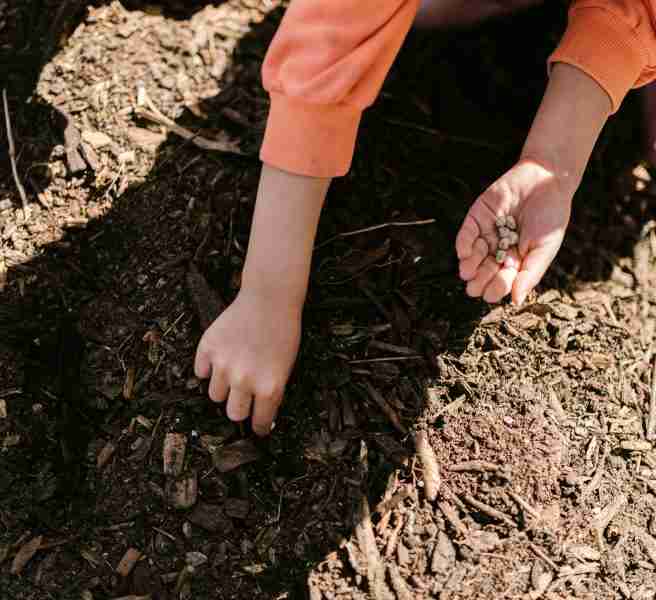
Gardening is not only a relaxing and rewarding hobby but also a great way to teach children valuable life skills. Introducing kids to gardening helps them connect with nature, understand the origins of their food, and develop responsibility. We all know, however, that getting kids to do anything that doesn’t involve their smartphones is generally an uphill struggle.
With the right subtle guidance, however, it’s not as difficult as you might think. With that in mind, here’s a simple guide to help you and your children start a gardening adventure together.
Choosing the Right Space
The first step to teaching your child how to garden is finding the perfect spot. A small patch of soil in your back garden is an ideal place to start. Look for an area that receives adequate sunlight and is easy for your child to access. For those living in flats or in city centres, meanwhile, container gardening on a balcony or patio works wonderfully, or consider joining a community garden where your child can interact with other budding gardeners.
Selecting Easy-to-Grow Plants
To spark interest and ensure early success, start with plants that are easy to grow and manage.
Sunflowers: Quick-growing and vibrant, they’re a hit with kids.
Radishes: Fast to sprout and harvest, keeping children engaged.
Herbs: Basil, mint, and parsley are aromatic and useful in the kitchen.
Tomatoes: Cherry tomatoes are sweet and fun to pick and tomato seeds are affordable and readily available.
A Step-by-Step Guide to Planting Seeds
- Prepare the soil by loosening it with a trowel or small shovel.
- Create holes or rows for planting seeds or seedlings.
- Let your child place the seeds or plants in the soil.
- Cover gently with soil and water thoroughly.
Daily Care Routines
Consistency is key in gardening, and children thrive on routine. Teach them simple daily tasks and explain the importance of watering at the base of the plant in the early morning or evening. Going a step further, you could also show how to identify and remove weeds without harming plants and encourage them to check for pests, new growth, or changes. These routines not only help the garden thrive but also instil responsibility and patience in your child.
Harvesting Together
When to Harvest: Teach your child how to recognize when fruits, vegetables, or herbs are ready. For example, tomatoes should be firm and red, while herbs are best picked before flowering.
How to Harvest: Show proper techniques like using scissors for delicate plants or pulling gently for root vegetables.
Sharing and Tasting: Celebrate the harvest by tasting the produce together and involving the whole family in a meal made with garden-fresh ingredients.
Gardening not only teaches kids about nature but also helps them build confidence and a sense of achievement as they see their hard work bloom. So, grab your tools, head outside with your little ones and let the green fingered adventures begin!