
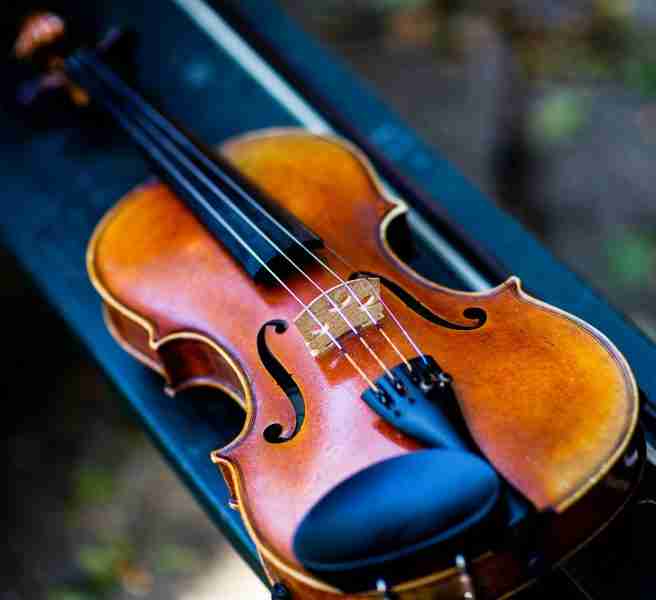
Music lessons offer far more than learning how to play an instrument. For children, these lessons are a gateway to developing valuable life skills, such as discipline and patience. In cities like Toronto and Etobicoke, where there’s a strong emphasis on the arts, music schools provide children with opportunities to grow both musically and personally. While mastering an instrument may seem like a simple goal, the journey to achieving it instills lifelong habits that benefit children in many aspects of their lives.
Parents often notice that children who take music lessons not only improve in playing their instruments but also in other areas, such as time management, focus, and responsibility. These lessons help children understand the value of hard work and perseverance, key skills that will serve them well beyond the music room.
Let’s explore how music lessons build discipline, patience, and more:
Building Discipline Through Regular Practice
Learning an instrument is not something that happens overnight. It requires consistent practice, and this regular effort helps children develop a sense of discipline. Most children who take music lessons start with small daily practices that gradually increase as they advance. This daily routine teaches them how to set aside time for their instrument, regardless of their mood or other distractions. It’s through this commitment to regular practice that children learn the importance of self-discipline. This skill can be applied to academics, sports, or any other area where progress requires sustained effort.
In Etobicoke, music schools play a key role in nurturing discipline in young learners. Since its opening in 2010, Muzart Music and Art School has been dedicated to providing high-quality instruction in the arts for students of all ages. As one of the top choices in the area, this Etobicoke Art School focuses on developing students’ discipline through structured lessons and regular practice expectations. The habit of practicing music daily instills a strong work ethic.
Patience and the Slow Path to Mastery
Playing an instrument is a gradual process, and it can take weeks or even months to see noticeable improvement. In turn, this teaches children the value of patience. Whether they’re learning their first song or working on advanced techniques, progress in music comes slowly but steadily. Kids quickly realize that they won’t master a new piece of music on their first try. Instead, they need to practice, make mistakes, and keep trying until they get it right. This process shows them that patience and persistence lead to success.
This slow progression in music is similar to many challenges they’ll face in life. Patience is essential when learning new skills, whether in school, sports, or hobbies. Music lessons allow children to experience the reward that comes from putting in the time and effort, helping them understand that big achievements often require patience.
Goal-Setting and Progress
Music lessons also introduce children to the concept of setting goals and working towards them. Whether it’s mastering a simple piece or preparing for a recital, children are constantly working toward something in their music journey. Learning to play an instrument involves setting short-term goals, like perfecting a few bars of music, and long-term goals, like learning an entire song or performing in front of an audience. This way, children learn how to break big tasks into smaller, achievable steps.
These goal-setting habits extend beyond music. As children progress through their lessons, they learn how to prioritize their tasks, manage their time, and stay committed to reaching their goals. The discipline and patience developed through their music lessons provide the foundation for tackling larger challenges, whether in school projects or personal hobbies. Over time, they gain confidence in their ability to set goals and achieve them, which is an important life skill that will benefit them in many areas as they grow.
Learning From Mistakes
In music, mistakes are a natural part of the learning process, and correcting them teaches children resilience. Whether they miss a note or struggle with a difficult rhythm, kids learn that mistakes are not failures but opportunities to improve. Over time, they realize that success doesn’t come from getting it perfect on the first try but from working through challenges and trying again. This understanding builds resilience and allows children to face challenges with a positive attitude.
Resilience is a skill that extends well beyond music. In school, relationships, and other areas of life, children who are taught to see mistakes as learning opportunities are better equipped to handle setbacks. When faced with difficulties, whether it’s a challenging school assignment or a problem with friends, they are more likely to keep trying and remain positive.
Role of Teachers in Shaping Character
Music teachers play an essential role in helping children develop discipline and patience. Through consistent guidance and encouragement, teachers help students understand the importance of dedication and hard work. They set clear expectations and provide structured lessons that require students to focus, practice, and make steady progress. Music teachers also provide constructive feedback, showing students how to improve and overcome obstacles. Such mentoring relationships help children learn respect for authority, the value of feedback, and how to work toward improvement.
In addition to their role as instructors, music teachers act as role models for discipline and patience. They demonstrate how practice leads to progress and how persistence can help students reach their goals. This positive influence shapes not only a child’s musical abilities but also their character, teaching them the importance of accountability, focus, and respect. The skills and attitudes developed through music lessons, with the support of a teacher, prepare children to face future challenges with confidence and determination.
Music lessons are more than a way for children to learn an instrument. They provide essential life skills that help children succeed in various areas of their lives. From discipline developed through regular practice to patience built by working towards long-term goals, children learn valuable habits that they carry into school, relationships, and beyond. Teachers play a crucial role in guiding children on this journey, offering mentorship and support that shape both their musical and personal development. Ultimately, the lessons learned through music lay the foundation for a lifetime of success.