
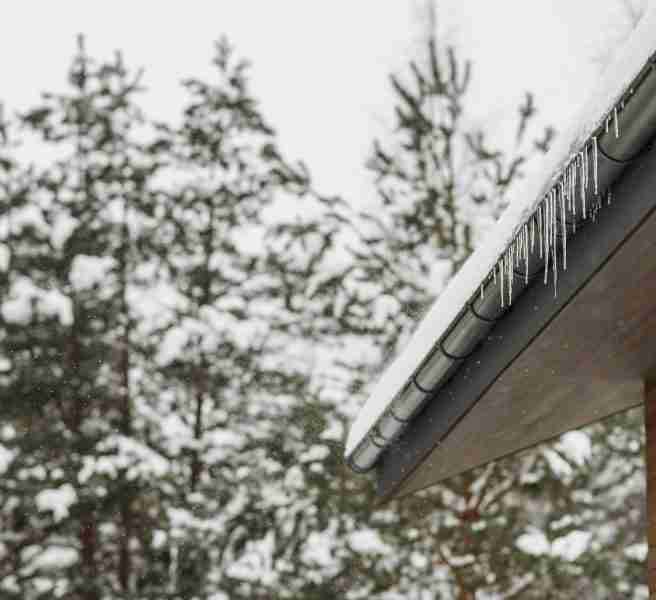
Weather resistance is a crucial aspect of home maintenance, ensuring that houses can withstand the various natural elements they are exposed to throughout the year. Homes in Columbus, IN, for example, experience a wide range of weather conditions, from hot summers and cold winters to heavy rainfall and occasional storms. These varying conditions can take a toll on the structural integrity of a home, making it essential for homeowners to take proactive steps to protect their properties.
Strengthening your home against natural elements can prevent significant damage and extend the life of your property. Investing in weather-resistant features not only safeguards your home but also enhances its value and reduces long-term maintenance costs. This article provides a comprehensive guide on how to reinforce different parts of your home to ensure maximum protection against the harshest weather conditions.
Let’s get started:
-
Durable Siding and Exterior Protection
One of the primary defenses against harsh weather is durable siding. Proper siding acts as a shield, protecting your home from wind, rain, and temperature fluctuations. High-quality siding materials, such as vinyl, fiber cement, or engineered wood, are designed to withstand extreme weather conditions and provide long-lasting protection. They prevent water infiltration, which can lead to mold growth and structural damage, and also offer insulation to keep your home energy-efficient.
For residents looking to enhance their home’s exterior, hiring a reputable Columbus siding company ensures professional installation and long-lasting protection. Expert installers understand the local weather conditions and can recommend the best materials and techniques to suit your home’s needs. They ensure that the siding is installed correctly, providing a seamless barrier against the elements. Investing in professional siding installation not only improves your home’s appearance but also significantly enhances its durability and weather resistance.
-
Roof Reinforcement
A strong roof is essential for protecting your home from heavy rain, snow, and high winds. The roof is your home’s first line of defense against weather damage, and reinforcing it can prevent leaks, structural issues, and other costly repairs. Using impact-resistant shingles can provide extra protection against hail and debris, while proper attic ventilation helps regulate temperature and moisture levels, preventing ice dams and condensation issues.
Regular roof inspections and timely repairs are critical to maintaining your roof’s integrity. Inspecting your roof at least twice a year, especially after severe weather events, can help identify and address potential problems before they escalate. Fixing small issues like loose or missing shingles on time can prevent more extensive damage and extend the lifespan of your roof. By taking these proactive steps, homeowners can ensure their roofs remain strong and resilient against the elements.
-
Window and Door Fortification
Windows and doors play a vital role in maintaining your home’s weather resistance. They are vulnerable points that can allow wind, rain, and debris to enter if not properly fortified. Installing impact-resistant windows and reinforced doors can significantly enhance your home’s protection against storms and high winds. These products are designed to withstand the force of flying debris and prevent breakage, providing an additional layer of security.
Proper sealing and insulation around windows and doors are also essential to prevent drafts and water leaks. Weatherstripping and caulking can help seal gaps, improving energy efficiency and keeping your home comfortable throughout the year.
-
Foundation and Drainage Systems
A solid foundation and effective drainage systems are essential to protect your home from water damage. The foundation is the structural base of your home, and any compromise can lead to severe issues. Strengthening your foundation involves regular inspections for cracks or signs of settling. These inspections should be conducted at least once a year, as early detection of problems can prevent more extensive damage. Techniques like underpinning or installing steel piers can help stabilize and strengthen the foundation.
Effective drainage systems are equally important. Proper grading around your home ensures that water flows away from the foundation, reducing the risk of water pooling and seepage. Installing gutters and downspouts that direct water away from the house is a simple yet effective way to manage rainwater. Regularly cleaning and maintaining these systems prevent blockages that could lead to water damage. Homeowners can protect their foundations and maintain the structural integrity of their homes through these measures.
-
Landscaping and Exterior Maintenance
Landscaping plays a significant role in protecting your home from natural elements. Properly planned landscaping can act as a barrier against wind and water, reducing the impact on your home. Planting windbreaks, like trees and shrubs, can protect your home from strong winds by acting as natural barriers that reduce wind speed and prevent debris from striking your house. Additionally, keeping a healthy lawn and garden aids in absorbing excess rainwater, which lowers the risk of flooding.
Exterior maintenance also includes keeping trees trimmed to prevent branches from damaging your home during storms. Ensuring that plants and shrubs are not too close to the house prevents moisture buildup and pest infestations. Regularly inspecting and repairing exterior elements like fences, decks, and patios keeps them in good condition and prevents minor issues from becoming major problems. Proper landscaping and maintenance practices significantly enhance your home’s resilience to weather-related challenges.
-
Emergency Preparedness and Insurance
Being prepared for extreme weather events is essential for minimizing damage and ensuring safety. Developing an emergency preparedness plan involves securing loose items around your property, having essential supplies ready, and knowing the emergency procedures. Items like shutters, sandbags, and generators can provide additional protection during severe weather. Keeping an emergency kit with essentials like food, water, first aid supplies, and important documents ensures that you are ready for any situation.
Comprehensive home insurance policies that cover weather-related damage provide financial protection. Reviewing and updating your insurance policy regularly ensures that you have adequate coverage. Knowing what your policy covers helps you plan for potential repairs and replacements. Documenting the condition of your home with photos and videos can be valuable when filing claims. Emergency preparedness and proper insurance coverage are crucial components of a comprehensive weather resistance strategy.
Conclusion
Strengthening your home against natural elements involves a combination of preventive measures, regular maintenance, and professional services. By addressing foundation and drainage systems, maintaining effective landscaping, and preparing for emergencies, homeowners can significantly reduce the risk of weather-related damage. Investing in these strategies not only protects your property but also ensures the safety and comfort of your family. Regular inspections and timely repairs enhance the resilience of your home, making it better equipped to withstand the challenges posed by natural elements. Proactive efforts to fortify your home provide long-term benefits, preserving its value and extending its lifespan.